Services
Can I Eat After a Dental Implant?
You can usually eat after implant surgery, but protect the area. Here is what to eat, what to avoid and when to seek advice.
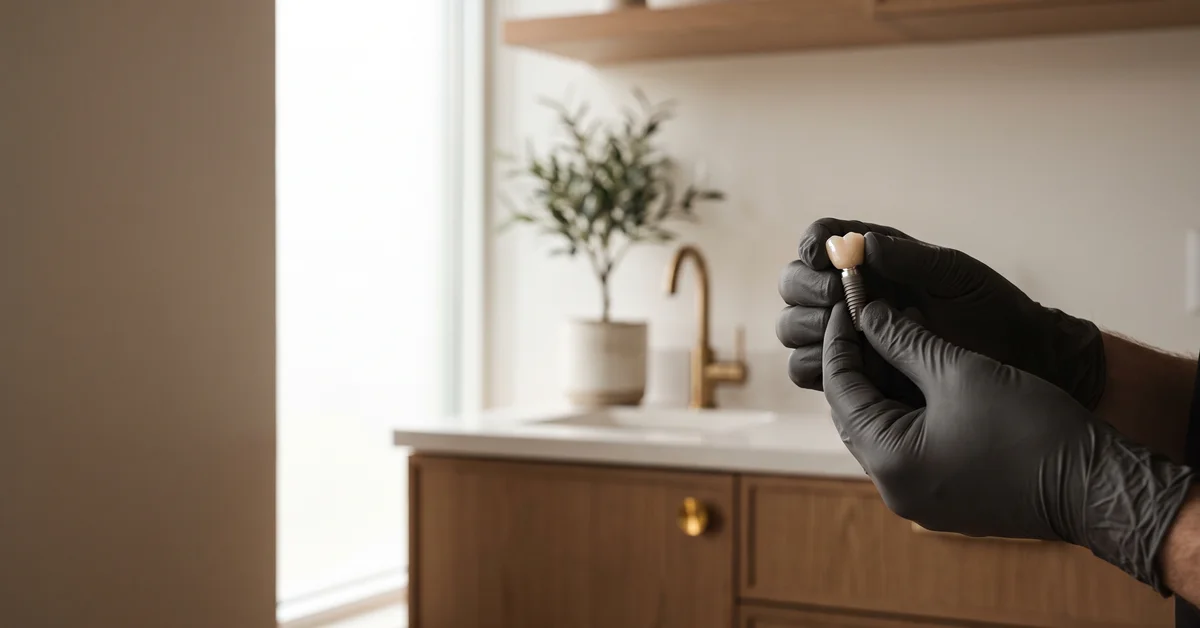
What can you eat after a newly placed dental implant? — The direct answer
Yes, you can usually eat after a dental implant has been placed, but you should normally avoid chewing on the implant area while it heals. During the first 48 hours, cool or lukewarm liquids and blended foods are commonly advised; after that, soft foods are often suitable if your dentist has not given different instructions.
At Debod Dental Clinic in Argüelles, Madrid, we explain this before and after surgery because the right diet is part of protecting the treatment. An implant is not just a replacement tooth. It is a small titanium post placed in the jawbone, and the bone needs time to attach securely around it.
The detail that catches many people out is this: having a temporary tooth on the day of surgery does not automatically mean that tooth is ready for normal biting. We will come back to why that distinction matters.
Why does this matter for your dental health?
A dental implant needs to heal through a process called osseointegration. In plain language, the jawbone gradually grows into close contact with the implant so it can support a crown or bridge safely. Think of it like allowing cement to set before putting weight on a new shelf.
In the early days, hard pressure can irritate the wound, disturb the blood clot or stitches, and make swelling or bleeding more likely. Repeated force may also create tiny movements at the implant while the bone is trying to heal around it. This does not mean that every accidental bite causes failure. It does mean the safest approach is to protect the area exactly as instructed.
Healing plans vary. The upper and lower jaw can behave differently, and bone quality, gum health, an extraction at the same appointment, bone grafting, smoking, teeth grinding and medical conditions such as poorly controlled diabetes can all affect the plan. That is why online advice is useful for general guidance but cannot replace your own post-operative instructions.
A careful implant assessment also looks at the way your teeth meet. If you clench or grind, the forces are more like repeatedly pressing down on a fragile box than gently closing a door. The final dental implant treatment plan should account for that before any tooth is asked to do too much work.
What should you eat in the first days after implant surgery?
For the first 48 hours, follow the diet your clinician has given you. A common approach is a cool or lukewarm liquid or blended diet. Suitable choices may include yoghurt, smooth purées, lukewarm soup, scrambled egg, soft pasta and very tender fish. Eat slowly, use the opposite side of your mouth where possible, and avoid chewing directly over the surgical area.
Do not eat or drink anything very hot while you are still numb. You may not notice a burn, and heat can also make bleeding feel more noticeable in the immediate post-operative period. Alcohol and smoking should be avoided as instructed by your clinician; both can interfere with healing.
Foods best left aside for now include:
- Nuts, crisps, crusty bread and seeds
- Tough meat, raw crunchy vegetables and hard sweets
- Chewing gum, caramel and other sticky foods
- Anything you would need to bite firmly with the implant site
Guidance from Madrid's Hospital Clínico San Carlos advises a cold or lukewarm liquid/blended diet for 48 hours after oral surgery, as well as avoiding rinsing for the first 24 hours. Their written advice is a useful general reference, though your surgeon's specific instructions take priority. Read the Hospital Clínico San Carlos post-operative guidance.
What if I have a temporary tooth fitted on the same day?
A temporary crown or bridge may sometimes be fitted on the same day as implant placement. This can improve appearance and comfort, particularly in a visible area. It is often called immediate loading, but the phrase can be misleading.
A temporary tooth may be designed to sit out of bite. In that case, it should not touch the opposing teeth when you close, so it is not intended for biting food. In selected cases, a temporary restoration may be planned to take controlled biting forces. That decision depends on the implant's initial stability, the bite, the number and position of implants, bone conditions and regular clinical review.
So, what happens if a temporary tooth looks finished? It may still be a protective provisional rather than permission to eat an apple. Ask your dentist directly: “Is my temporary tooth in contact when I bite, and may I chew with it?” That one question removes a great deal of uncertainty.
Research supports a cautious, individual approach. A randomised study of selected patients found good results with both functional and non-functional immediate loading in posterior implants, but the authors also noted that these protocols require appropriate case selection. Read the study on immediate loading protocols. A wider review of randomised trials found slightly lower survival with immediate rather than conventional loading, even though several other clinical measures were similar. Read the systematic review.
Questions people often ask
Is it normal for eating to feel awkward after a dental implant?
Yes. Your mouth may feel tender, swollen or simply unfamiliar after surgery, especially when the anaesthetic has worn off. Choose small mouthfuls and soft food, and chew away from the treated side. If the discomfort is increasing rather than settling, contact your dental team.
Does eating after dental implant surgery hurt?
It can be uncomfortable, but soft foods should not require forceful chewing. Take pain relief only as prescribed or advised for you. Severe pain, pain that gets worse after improving, or pain with fever, pus or a bad taste needs prompt assessment.
How long does it take before I can eat normally after an implant?
There is no single number that fits everyone. The first 48 hours commonly involve liquids or blended foods, followed by a soft diet for a period set by your clinician. Full chewing on the implant is only appropriate when your implant dentist confirms that your healing and restoration plan allow it.
The hidden reason for this patience is that the gum can look calmer before the bone has completed its work. Feeling better is welcome, but it is not by itself a green light for crunchy food.
What can I eat if I have had bone grafting with my implant?
Treat the area even more gently and follow the written instructions you receive. Bone grafting can alter the healing timetable, so avoid assuming that a friend's implant recovery applies to you. Your review appointments are the right place to confirm when diet changes are safe.
How much does a dental implant cost in Madrid?
The cost depends on your clinical needs. Some people need only an implant and crown; others need an extraction, gum treatment, a bone graft, a temporary restoration or more complex planning. A reliable quote should follow an examination, imaging and discussion of the options, rather than a generic online figure.
At Debod Dental Clinic, the first diagnostic visit is included. The treatment plan can then be based on what your mouth actually needs, with no guesswork about whether supporting treatment is required.
Is it urgent if my implant or temporary crown feels loose?
Yes. Stop chewing on that side and contact your dentist promptly. A loose temporary crown and a loose implant are different problems, but neither should be ignored. Do not try to glue, tighten or adjust anything yourself.
Does immediate implant placement mean I can chew straight away?
Not necessarily. Placing an implant immediately after an extraction is about the timing of surgery, while immediate loading refers to fitting and using a restoration early. They are separate decisions. A review of comparative studies found similar survival figures for immediate and delayed implant placement in the situations studied, but that does not authorise immediate chewing in every case. Read the review of immediate versus delayed placement.
What should you know before your first visit?
If you are considering an implant, bring a clear account of your health, medication and dental history. Mention smoking or vaping, diabetes, gum bleeding, previous implant problems and whether you grind your teeth at night. These details help shape a safer plan.
- Ask whether the proposed tooth will be temporary, final, in bite or out of bite.
- Ask how long you should follow liquids and soft foods in your own case.
- Ask what pain, swelling and bleeding are expected, and which symptoms require a call.
- Ask whether you need 3D imaging, gum treatment or a night guard before restoration.
A trustworthy plan is not rushed. At Debod Dental Clinic, digital assessment can include an intraoral scan and 3D CBCT scan where clinically indicated. If guided placement is appropriate, guided implant surgery can help transfer that planning accurately to treatment. The right technique depends on the case, not on a one-size-fits-all promise.
When is it urgent to see a dentist?
Some swelling and mild bleeding after surgery can be expected, particularly in the first days. Contact your clinic or surgeon promptly if bleeding does not settle with the instructions you were given, swelling is getting worse, pain increases after it had started to improve, or you notice pus, a bad smell or a persistent unpleasant taste.
Fever above 38°C, movement of the implant or restoration, difficulty opening your mouth that is worsening, or numbness that concerns you should also be assessed. Difficulty breathing or swallowing is an emergency: seek urgent medical help immediately.
Hospital information for implant patients in Madrid lists risks including inflammation, bleeding, infection, wound opening and failure of the implant to integrate with bone. These are not expected outcomes, but knowing the warning signs lets you act early. See the Hospital Universitario de La Princesa consent information.
Why choose Debod Dental Clinic?
Dental implant care should feel clear and calm, especially when you are deciding what is safe to eat after surgery. Debod Dental Clinic is at C. de Ferraz, 24, Argüelles, 28008 Madrid, España, close to Ventura Rodríguez Metro station.
Treatment planning is supported by digital scans and, when indicated, 3D imaging. Debod Dental Lab, the clinic's in-house digital laboratory, can support the design of temporary and final restorations so that appearance, bite and function are considered together. A crown should feel like part of your mouth, not like a hard object that gets in the way; see how dental crowns fit into the final stage of implant treatment.
The first diagnostic visit is included. Before committing to treatment, you can ask about healing, diet, provisional teeth, timing and the full plan. To arrange a visit, contact Debod Dental Clinic or call +34 914 47 62 25. The clinic is open Monday to Friday, 9:00–20:00.
The short answer remains reassuring: you can eat after implant surgery, but your food choices and chewing habits need to protect the area. Once your clinician confirms that healing is progressing well, you can return to normal function with confidence.
Frequently asked questions
Frequently asked questions about this topic.
Yes, but you should normally avoid chewing on the implant site. For the first 48 hours, choose cool or lukewarm liquids and blended foods, then move to soft foods as directed by your dentist.
Some tenderness is normal once the anaesthetic wears off. Soft, cool foods are usually more comfortable. Contact your dental team if pain worsens after initially improving.
It depends on the implant position, bone quality, any grafting, your bite and whether you have a temporary tooth. Your implant dentist will give you a personalised timeframe, often beginning with 48 hours of liquids or blended foods followed by a soft diet.
The cost depends on your individual treatment plan, including whether you need scans, bone grafting, a temporary tooth or a final crown. A proper quote should follow a clinical assessment and 3D planning.
Yes. Do not chew on it and contact your dentist promptly. Movement of the implant or temporary crown needs professional assessment, particularly during healing.
Hard, crunchy or sticky foods can irritate the surgical area, disturb stitches or place unwanted force on an implant while it is healing. Follow the instructions given for your own procedure.
Reviewed by Dr. César Rodríguez
Prostodoncia · Rehabilitación Oral · COEM Reg. No. 28015194
Last reviewed: 23 September 2026
Informational content reviewed by a registered professional at Debod Dental Clinic. It does not replace a personalised clinical assessment. View specialist profile.
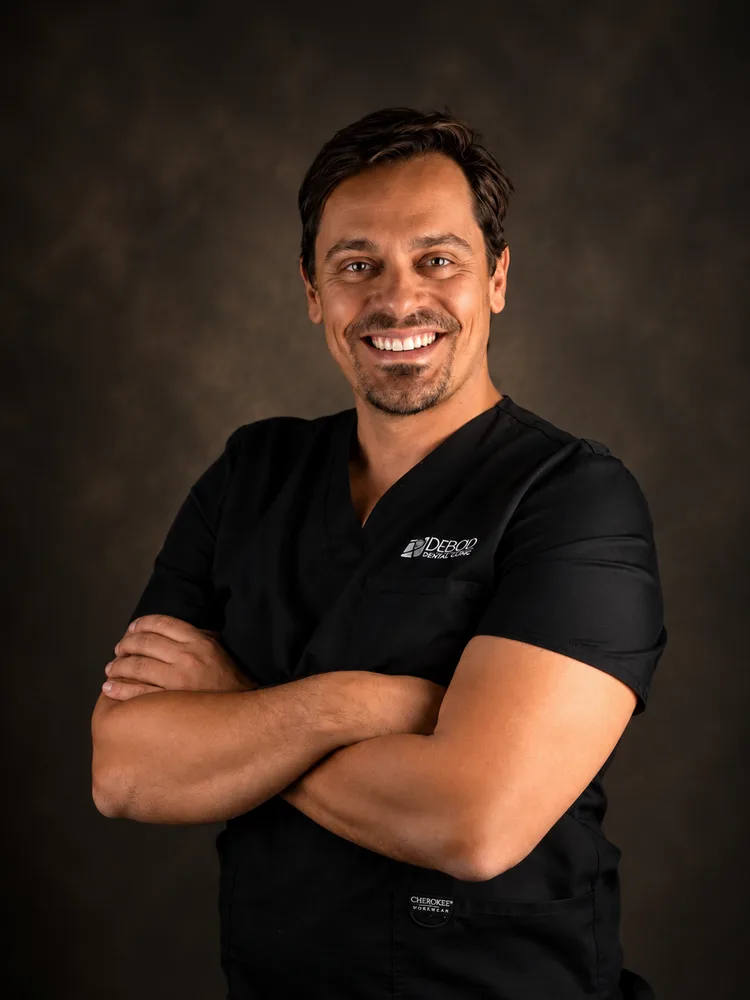
Author
Dr. César Rodríguez
Prosthodontics · Full Oral Rehabilitation
Dr. César Rodríguez is a distinguished prosthodontist with a Master's in Facial Prosthetics and Occlusion from the Complutense University of Madrid. Initially trained in Dentistry at the Central University of Venezuela, his credentials have…
Meet the teamRelated articles
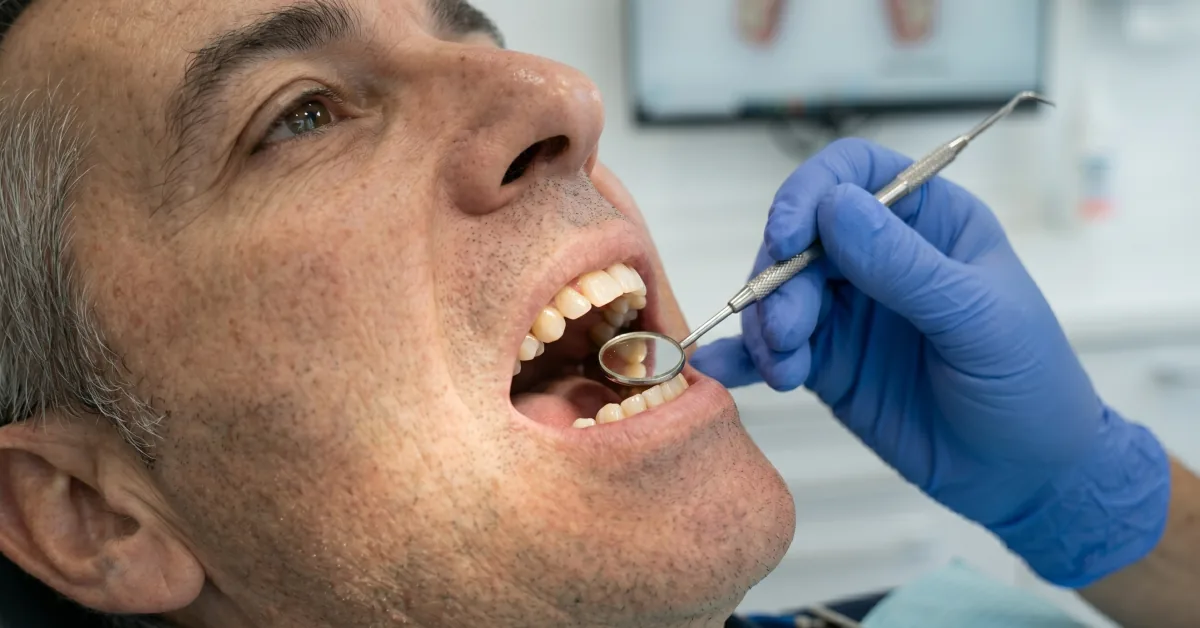
Dental diagnosis in Argüelles, Madrid: the foundation of successful treatment
2 min read · Mar 2026
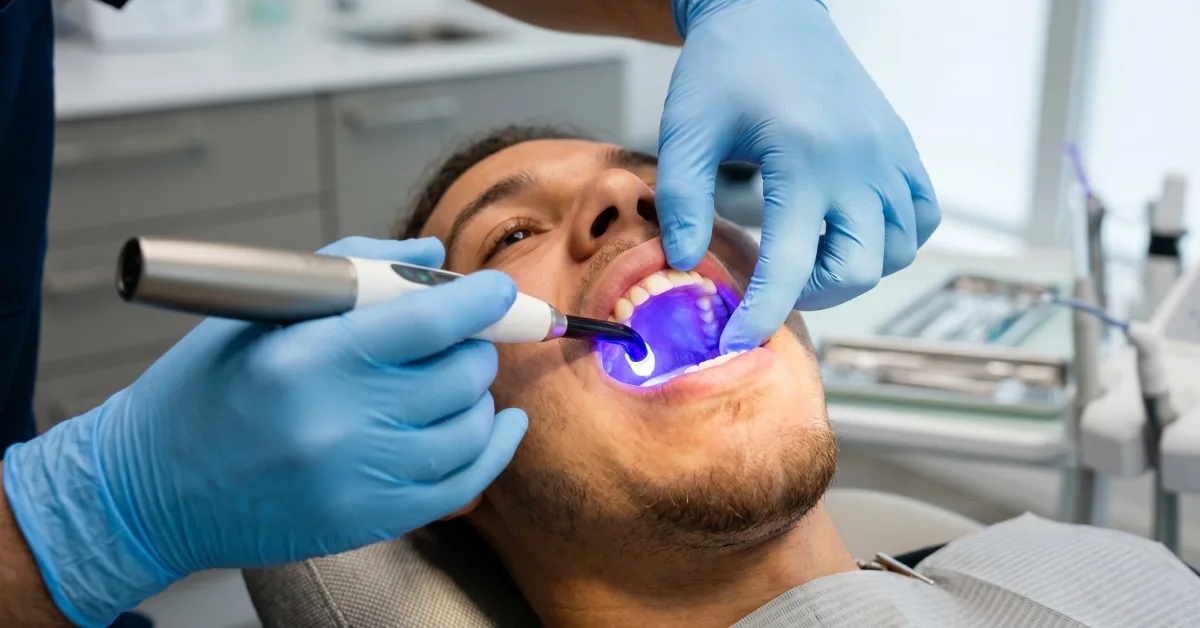
Oral cancer screening in Argüelles, Madrid: why it is so important
2 min read · Mar 2026
Root canal or extraction: how to know if your tooth can still be saved
4 min read · Jun 2026
Did this article raise questions?
Talk directly with our team of specialists. First consultation with no obligation.
Book a consultation