Services
Full-Mouth Dental Implants: Cases in Madrid
Considering full-mouth dental implants in Madrid? Understand the assessment, treatment options, realistic timelines and lifelong care involved.
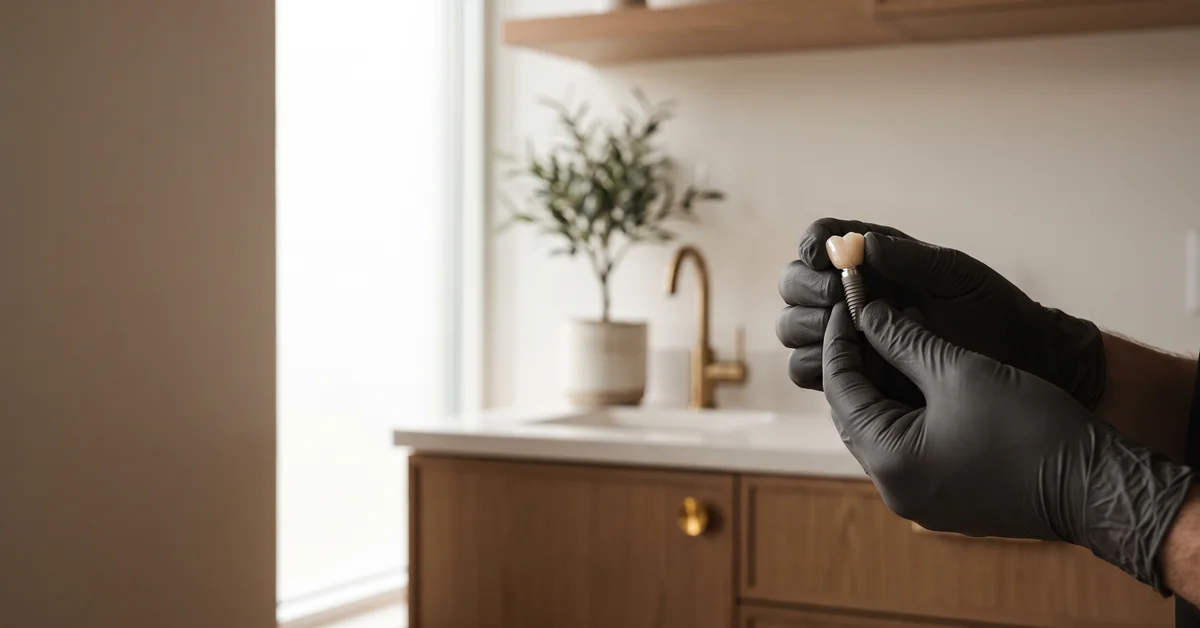
The Debod team’s perspective on full-mouth dental implants
At Debod Dental Clinic in Argüelles, Madrid, we see full-mouth dental implant rehabilitation as much more than replacing missing teeth. It is a carefully staged plan to help a person eat, speak and smile with greater comfort, while protecting the tissues that remain healthy. A fixed bridge can be life-changing for the right patient. It is not, however, a product that should be selected from a menu.
Full-mouth rehabilitation may replace all teeth in one jaw, or in both jaws, with a bridge supported by dental implants. An implant is a small titanium fixture placed in the jawbone; after healing, bone attaches closely to its surface. This creates a stable base for a custom-made tooth replacement. Some people are better suited to a fixed bridge, while others benefit from an implant-retained removable overdenture.
The first question is rarely “How many implants do I need?” It is “What can safely be kept?” Teeth with treatable problems should not be removed simply to make a treatment plan look simpler. Equally, repeatedly treating teeth with poor long-term prospects can become frustrating, expensive and uncomfortable. The assessment has to be honest.
Difficulty eating, loose dentures, recurring infections or mobile teeth are all reasons to arrange a diagnostic visit. They do not automatically mean implants are the answer. Active gum disease, uncontrolled decay and bite problems need attention before a definitive rehabilitation can be designed.
There is a detail many people only discover late in the process: the visible teeth are only the final layer. What sits underneath—the gums, bone, bite and implant positions—largely determines whether the result feels natural and remains maintainable. That is where careful planning begins.
What most clinics do not tell you about full-mouth dental implants
A same-day fixed provisional bridge can be appropriate in selected situations, but it is not the same as completing treatment in a day. Immediate loading means placing a temporary fixed bridge shortly after implant surgery. The definitive bridge is usually made after healing, when the gums and bone have stabilised.
For immediate loading to be considered, the implants need to achieve sufficient initial stability, infection must be controlled, the bone must allow safe positioning and the temporary bridge must be designed to limit excessive force. A patient also needs to follow the recommended soft diet. It is more like moving into a newly built home before the final finishing touches: you may be able to use it, but the structure still needs time to settle.
Research supports high implant survival in carefully selected full-arch cases, while also showing that the details matter. A prospective clinical study of immediate provisional bridges on four implants reported high one-year implant and prosthesis survival. A five-year randomised study found similarly high survival for immediate and early loading in an upper jaw, but observed more mechanical complications and greater facial-side bone loss with immediate loading. These findings are useful, but they are not a promise for an individual patient. Read the prospective clinical study and the five-year randomised trial.
A bridge that looks good on the day of surgery is not proof that it is the best biological choice. Sometimes waiting is the safer, calmer route. This may apply where bone is softer, there is a higher risk of infection, healing may be slower or bite forces are difficult to control.
What happens if there is not enough bone? Bone grafting or a sinus lift may be considered in some cases. In others, a different implant position, angled implants, shorter implants or a removable implant-retained option may be more suitable. There is no ethical one-size-fits-all answer. A 3D scan helps the clinician assess the available bone, nearby nerves and the maxillary sinus before making that decision.
The mouth also needs to be healthy enough for the final restoration. Bleeding gums, untreated periodontal disease and smoking increase biological risk. Diabetes, blood-thinning medicines, antiresorptive medication and a history of severe gum disease all need to be discussed openly. Do not stop prescribed medication independently; your dentist and medical team can advise on the safe approach.
A complete rehabilitation is not designed only for photographs. The teeth should support speech, chewing and facial proportions without looking overly square or artificial. Natural teeth have texture, subtle variation and individual character. A very white, uniform smile is not automatically a healthy or convincing one.
Our clinical experience
The following examples are hypothetical educational scenarios, not real patient cases or testimonials. They show why full-mouth implant plans in Madrid need individual assessment rather than assumptions.
A hypothetical 68-year-old patient has worn a loose upper denture for years and avoids apples, steak and eating out. During assessment, the clinical team finds that the remaining upper teeth have advanced gum disease and are not predictable long-term supports. A 3D scan shows usable bone in planned areas, but the back of the upper jaw needs particular attention because of the sinus cavities. The treatment discussion includes a fixed provisional bridge if implant stability allows it, as well as a staged option if it does not. The likely outcome is not merely “new teeth”; it is a plan with realistic healing periods, a provisional phase and regular maintenance.
A hypothetical 51-year-old patient has several failing crowns, repeated root infections and a deeply worn bite caused by years of tooth grinding. They ask, “Is it normal that my face looks shorter when I bite?” It can be associated with loss of tooth height, but it requires examination. Rebuilding the bite without studying how the jaws meet may overload implants or the new bridge. The plan may involve removing only non-maintainable teeth, controlling infection and testing a provisional bite position before the final prosthesis is made. In some situations, individual dental crowns on retained teeth may form part of a more conservative solution.
A hypothetical 74-year-old patient is missing most lower teeth and finds a conventional denture unstable. Their medical history, hand dexterity and ability to clean beneath a fixed bridge become central to the conversation. An implant-retained removable overdenture may be chosen instead of a fixed full-arch bridge because it can be easier for that person to clean and remove. Does a removable option mean a lesser result? Not necessarily. The best result is the one that fits the patient’s anatomy, health and daily life.
These examples lead to the same practical point: the final plan should be written and explained before treatment starts. It should distinguish diagnosis, any extractions, surgery, implants, temporary teeth, definitive teeth, possible grafting and the maintenance that follows.
Questions patients often ask about full-mouth dental implants
Is it normal to feel nervous about having all teeth replaced?
Yes. It is a major decision, particularly if you have lived with dental problems for a long time. A clear consultation should make room for your concerns: anaesthesia, recovery, appearance, cost stages, time away from work and what happens if the plan needs to change. The included diagnostic first visit at Debod Dental Clinic is intended to start that conversation, not rush it.
Does full-mouth implant surgery hurt?
During surgery, anaesthesia is used so that treatment is manageable. Afterwards, swelling, tenderness and tiredness are common, although the degree varies. Your clinician should give personalised instructions on medication, food, oral hygiene and warning signs. Increasing pain, swelling, fever, pus or persistent bleeding should be assessed promptly.
How long does full-mouth implant treatment take?
There is no responsible fixed answer. Some patients can receive a temporary fixed bridge within 24 hours where clinical conditions are favourable. Others need healing time, periodontal treatment, bone regeneration or a staged approach. The definitive bridge is usually made after the tissues have healed and the bite can be checked properly. Rushing this stage can compromise fit, cleaning access and appearance.
Is full-mouth implant rehabilitation worth it?
For many patients, the ability to chew more confidently and avoid a moving denture can make it worthwhile. It also brings ongoing responsibility. Implant-supported teeth need daily cleaning and professional review. They can develop inflammation around the implants, known as mucositis or peri-implantitis, and bridges or screws can need repair. Long-term studies show encouraging survival, but they also reinforce the value of follow-up. A long-term retrospective study illustrates both the potential durability of treatment and the need to interpret outcomes carefully.
What happens if I have gum disease?
Gum disease needs to be stabilised before a definitive implant rehabilitation. Bleeding, deep pockets and infection are not cosmetic details. They indicate tissues that need care. A professional deep dental cleaning may be part of treatment where appropriate, followed by a personalised maintenance schedule.
How do I know whether I need a fixed bridge or a removable implant denture?
A clinical examination, photographs, scan, bite assessment and discussion of your priorities are needed. A fixed bridge may feel closer to natural teeth, while a removable overdenture can offer excellent function and easier access for cleaning in selected cases. Neither option should be chosen without understanding the hygiene and maintenance required.
What technology do we use at Debod for full-mouth dental implants?
Digital planning helps turn a complex treatment into a sequence that patients can understand. At Debod Dental Clinic, an intraoral scanner captures a detailed digital model of the mouth without traditional impression material. This helps the team study tooth position, gum contours and bite relationships.
A 3D CBCT scan is used when clinically indicated to assess bone volume and anatomical structures such as the lower jaw nerve and the maxillary sinuses. It allows implant positions to be planned in three dimensions, rather than relying on a two-dimensional image alone. For suitable cases, this information can support guided implant surgery, where a surgical guide helps transfer the plan to the mouth.
The final teeth should also be planned as carefully as the implants. Debod Dental Lab, the clinic’s in-house digital laboratory, supports communication between clinical planning and prosthetic design. This is useful when evaluating tooth shape, lip support, speech and cleaning access before committing to the definitive bridge.
If you are considering full-mouth dental implants in Argüelles or elsewhere in Madrid, bring any previous X-rays, treatment plans and medical information to your assessment. Ask what can be retained, why each tooth may need removal, whether immediate loading is genuinely suitable and how your long-term reviews will work. You can request an appointment to discuss your situation with the team. The aim is not to promise a standard smile. It is to make a careful, understandable plan for your own mouth.
Frequently asked questions
Frequently asked questions about this topic.
It can be. Teeth affected by severe decay, infection or advanced gum disease may not be maintainable. The decision should only follow a full clinical and radiographic assessment.
Surgery is planned with anaesthesia, and postoperative discomfort varies between patients. Your clinician should explain pain control, swelling, diet and when to contact the practice before treatment begins.
It depends on bone quality, infection control, healing, the need for grafting and whether immediate loading is clinically suitable. A provisional fixed bridge may be possible in selected cases, but the final restoration is normally fitted after healing.
Contact your dental team promptly. A loose bridge or screw is often repairable, but delaying assessment can damage components or place excess force on the implants.
Not always. A fixed bridge and an implant-retained removable overdenture each have advantages. The appropriate choice depends on anatomy, hygiene needs, function, medical history and personal preferences.
Reviewed by Dr. César Rodríguez
Prostodoncia · Rehabilitación Oral · COEM Reg. No. 28015194
Last reviewed: 25 November 2026
Informational content reviewed by a registered professional at Debod Dental Clinic. It does not replace a personalised clinical assessment. View specialist profile.
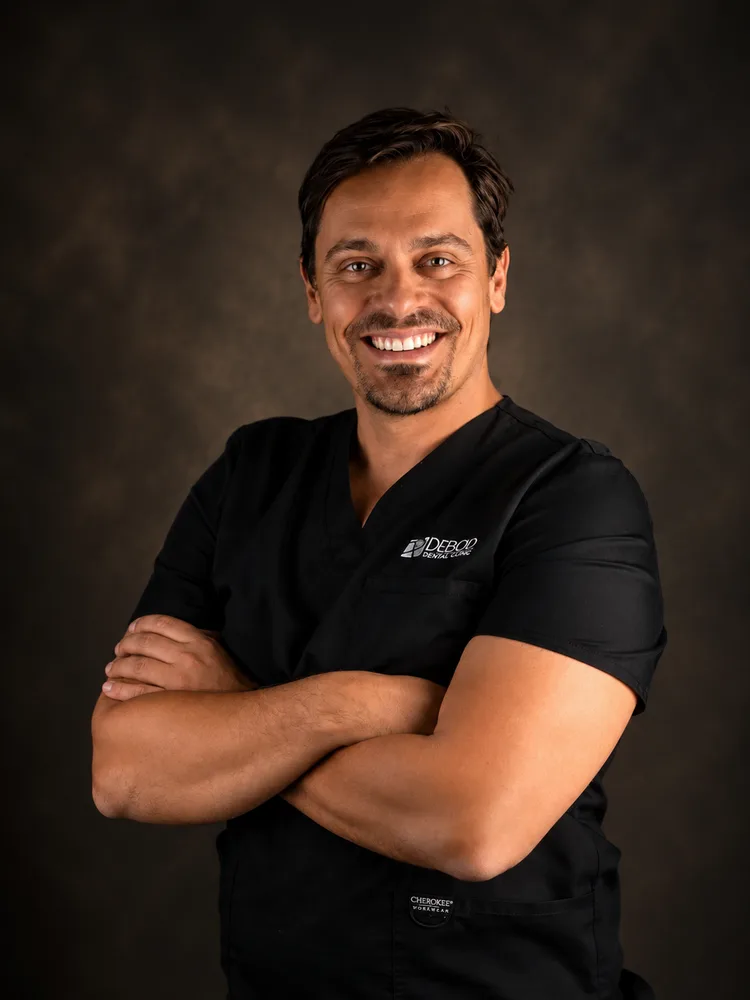
Author
Dr. César Rodríguez
Prosthodontics · Full Oral Rehabilitation
Dr. César Rodríguez is a distinguished prosthodontist with a Master's in Facial Prosthetics and Occlusion from the Complutense University of Madrid. Initially trained in Dentistry at the Central University of Venezuela, his credentials have…
Meet the teamRelated articles
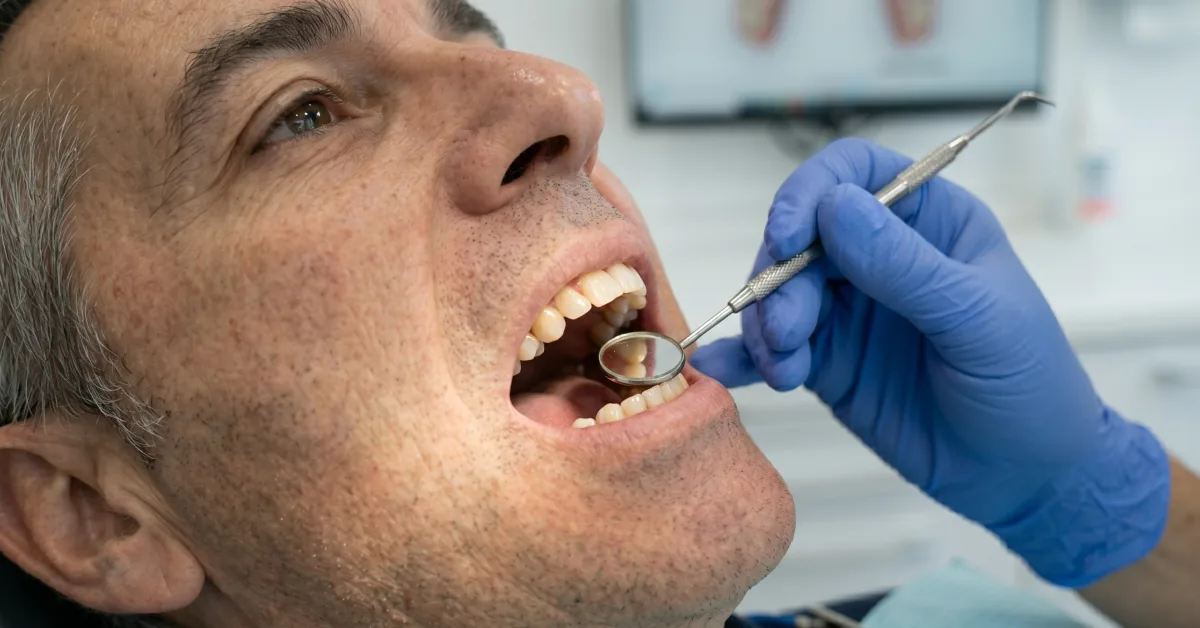
Dental diagnosis in Argüelles, Madrid: the foundation of successful treatment
2 min read · Mar 2026
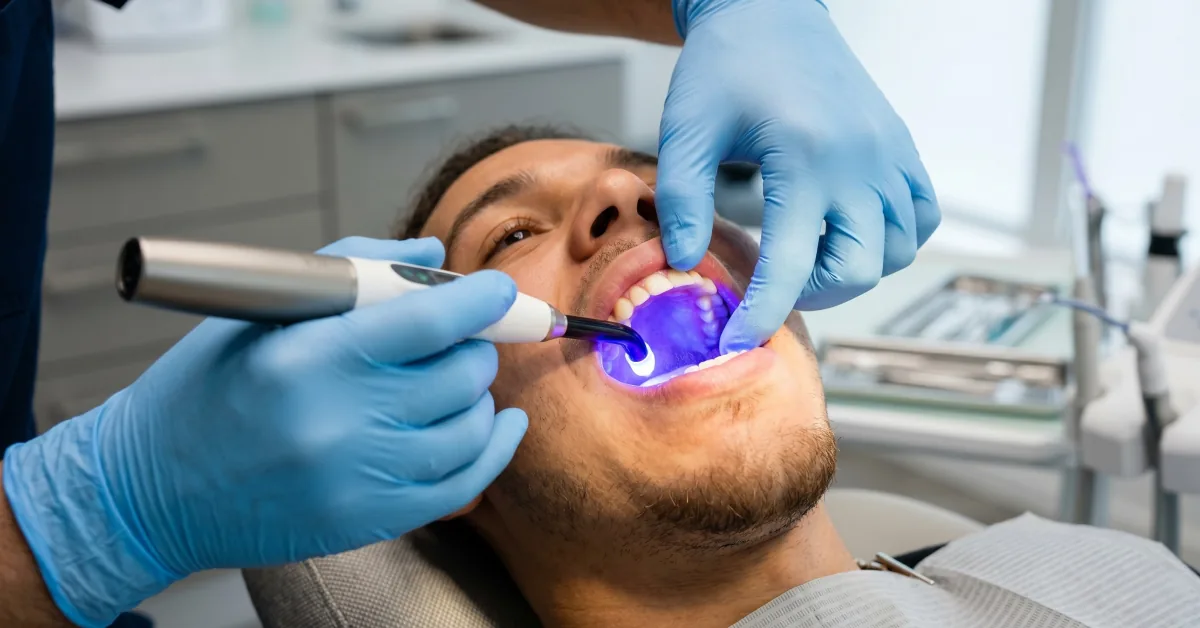
Oral cancer screening in Argüelles, Madrid: why it is so important
2 min read · Mar 2026

Root canal or extraction: how to know if your tooth can still be saved
4 min read · Jun 2026
Did this article raise questions?
Talk directly with our team of specialists. First consultation with no obligation.
Book a consultation