Services
Full-Mouth Implant Rehabilitation in Madrid
Considering fixed teeth on implants? Learn what a full-mouth rehabilitation involves, when immediate loading is suitable, and why maintenance matters.
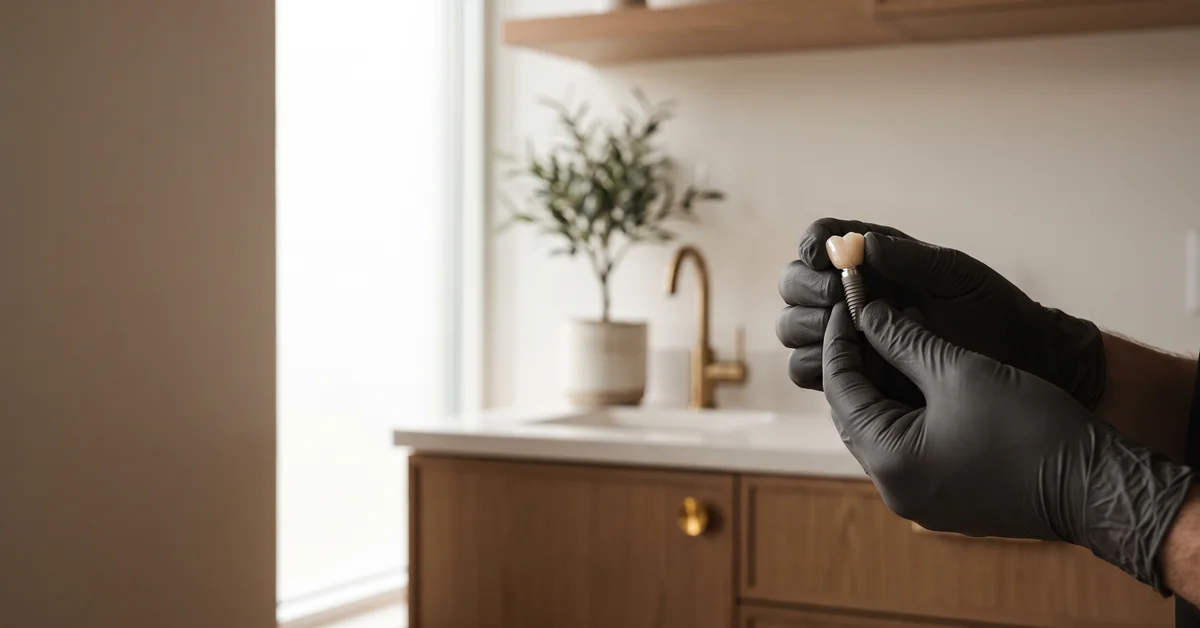
The Debod team’s perspective on full-mouth implant rehabilitation and digital prostheses in Madrid
At Debod Dental Clinic in Argüelles, Madrid, we see full-mouth implant rehabilitation as much more than replacing missing teeth. It is a carefully planned restoration of chewing, speech, facial support and confidence. A fixed prosthesis supported by implants can replace all the teeth in one jaw, or both jaws, when teeth are already missing or cannot be predictably saved.
The first question is never “How many implants do I need?” It is: which teeth can genuinely be kept? A tooth with a good prognosis should not be extracted simply to make a treatment plan appear simpler. Severe decay, advanced gum disease, repeated infection, major fractures and extensive wear can make a full rehabilitation appropriate, but every mouth deserves an individual assessment.
Some people arrive because their removable denture moves while they eat. Others have spent years avoiding certain foods, covering their mouth when speaking, or coping with failing teeth one by one. The treatment can be life-changing for the right person, but it should never be sold as a one-size-fits-all solution. The diagnostic appointment is where we find out what is realistic.
A complete implant rehabilitation may use four to six implants per jaw, depending on bone, bite, smile line and the design of the future prosthesis. The aim is not simply to place implants. It is to create a restoration that feels secure, is hygienic to maintain and can be reviewed or repaired sensibly over time.
What most clinics do not tell you about full-mouth implant rehabilitation
“Fixed teeth in a day” is a phrase that can sound reassuring, yet it needs careful explanation. Immediate loading means placing a temporary fixed prosthesis soon after implant placement in selected cases. It does not mean that every patient leaves with their final teeth on the same day.
For immediate loading to be considered, the implants need good initial stability and the treatment must work from both a surgical and prosthetic point of view. Bone quality, bite forces, infection, gum condition and the ability to distribute chewing pressure all matter. If the conditions are not right, allowing the implants to heal first may be the safer choice.
What happens if bone volume is limited? Sometimes a bone graft or regeneration procedure is advised. In other situations, changing implant positions or prosthesis design can avoid a more extensive procedure. There is no virtue in promising the fastest route if it compromises the long-term result.
The word “digital” can also create unrealistic expectations. Digital planning is valuable because it helps the clinical team and laboratory communicate with precision. It does not remove the need for professional judgement. Full-arch records are technically demanding: the bite must be captured accurately, implant positions must be verified, and the framework must fit passively. Think of it like fitting several lock pins into a single door frame. A tiny error at one point can become noticeable across the whole arch.
Studies suggest digital workflows can reduce impression time and improve patient satisfaction, while clinical verification remains necessary for the fit of implant-supported restorations. For complete arches, technologies such as photogrammetry may improve implant-position recording in appropriate workflows. The evidence is encouraging, but it also supports a measured message: digital dentistry is a tool for better planning, not a shortcut around careful treatment. Clinical research on digital complete-arch workflows and a prospective study comparing recording methods describe this evolving area.
Another detail often missed is maintenance. Implant treatment has high reported survival rates, but survival alone is not the same as a trouble-free result. Biological complications, including inflammation around implants, and technical issues such as chipping, wear or screw loosening can occur. A five-year retrospective study of fixed complete-arch restorations reported high implant and prosthesis survival, while also recording biological and technical complications during follow-up. Read the published study.
That is why a successful result should be judged by comfort, stable tissues, accessible hygiene, a balanced bite and the ability to maintain the prosthesis over time. Not only by a photograph taken on fitting day.
Our clinical experience
Every full-mouth plan begins with a conversation about the person behind the teeth. What can they eat now? Do they wake with jaw tension? Are they embarrassed by a denture moving? Have they had gum treatment before? Those answers help shape the investigation, but they do not replace it.
Here are three hypothetical examples to show why plans differ. They are educational examples, not patient cases or promises of outcomes.
A hypothetical 40-year-old with extensive decay and repeated infections may still have a few teeth worth retaining. After examining the gums, bite and scans, the plan could involve treating salvageable teeth and replacing only those with a poor prognosis. Full-mouth implants would not automatically be the correct answer.
A hypothetical 62-year-old who has worn an unstable upper denture for years may have enough bone for a fixed implant-supported solution. If implant stability and bite planning are favourable, a temporary fixed prosthesis might be considered. The final material and timing would only be confirmed after surgery, healing and verification appointments.
A hypothetical 70-year-old with long-standing gum disease, bone loss and a history of grinding may need staged treatment. Stabilising gum health, managing bite forces and considering whether bone regeneration is needed could be more appropriate than rushing straight to a fixed full arch.
How do I know if I need this treatment? Difficulty chewing, repeated tooth breakage, loose teeth, poorly fitting dentures or recurrent infections are reasons to arrange an assessment. They are not a diagnosis on their own. At Debod Dental Clinic, the first diagnostic visit is included, so you can understand the condition of each tooth before deciding on a direction.
For patients who need individual replacements rather than a complete arch, our information on dental implants explains the principles in more detail. In suitable cases, guided implant surgery may be part of the planning process.
Frequently asked questions about full-mouth implant rehabilitation and digital prostheses
Is it normal to need all teeth removed before full-mouth implants?
No. Each tooth should be examined for its individual prognosis. Keeping healthy or predictably treatable teeth may be the most conservative choice. If a tooth has severe structural damage, uncontrolled infection or advanced loss of support, replacement may be discussed as part of a wider plan.
Does the procedure hurt?
Local anaesthesia is used for treatment, and the clinical team will explain the recovery plan before proceeding. Is it normal to have some swelling, tenderness or bruising afterwards? It can be, particularly after extractions or more extensive surgery. The intensity and duration vary, so individual advice matters.
How long does full-mouth implant rehabilitation take?
There is no single timetable. Some patients may receive a temporary fixed prosthesis early in treatment, while others need healing time or preparatory treatment first. Bone grafting, gum condition, implant stability and the complexity of the bite all affect the sequence. The definitive prosthesis is planned only when the foundation is ready.
What happens if I smoke or grind my teeth?
Smoking, uncontrolled diabetes, previous periodontitis, insufficient cleaning and bruxism can increase risks around implants and prostheses. This does not always rule treatment out, but it changes the discussion. A night guard, smoking support, closer reviews or a different design may be advised.
Is a screw-retained prosthesis better than a cemented one?
A screw-retained prosthesis is often preferred because it can be removed for professional maintenance or repair when needed. The right design depends on implant position, aesthetics and access. Your treatment plan should explain how the prosthesis will be maintained, not only how it will look.
Is it worth having a digital prosthesis?
Digital records can help with planning, communication and repeatability. They are especially useful when combined with a skilled clinical and laboratory workflow. Whether it is worth it for you depends on the quality of the diagnosis, the proposed materials, your bite and how the finished prosthesis will be checked and maintained.
What technology do we use at Debod for full-mouth implant rehabilitation and digital prostheses?
Planning begins with information, not assumptions. At Debod Dental Clinic, this may include an intraoral scanner to create a detailed digital model of the mouth, photographs, bite records and a 3D CBCT scan when implant planning requires a clear view of bone volume and nearby anatomical structures.
The CBCT scan is a three-dimensional X-ray. It helps the team assess available bone, the position of the maxillary sinuses in the upper jaw and other structures that need to be respected during planning. It is not performed casually; it is used when it adds relevant diagnostic value.
Digital planning can bring those records together before surgery. Implant positions, provisional teeth and the bite can be assessed virtually, and a surgical guide may be used in suitable cases to transfer that plan with greater control. The plan is then checked against the reality of the mouth during treatment. Technology supports clinical judgement; it does not replace it.
Our in-house Debod Dental Lab supports the digital workflow from provisional planning through to the final restoration. The laboratory and clinical team can communicate directly about shape, shade, tooth proportions and the small details that keep a smile natural. A full-mouth prosthesis should not look square, uniform or like an advert. It should suit the face and preserve a believable texture and character.
The final prosthesis may be designed in materials such as zirconia, ceramic layered over a framework, or titanium-composite systems. Each has advantages and limitations relating to appearance, strength, repairability, space and bite forces. The appropriate material is confirmed after the clinical assessment rather than selected from a menu.
If you are considering treatment in Madrid, ask for a written plan that explains the prognosis of each tooth, implant number and position, whether grafting may be needed, the temporary and definitive prosthesis, the loading protocol and the maintenance schedule. It is also reasonable to ask how fit is verified and what happens if there is inflammation, a loose screw or a fracture later.
You can explore all our treatments or book a diagnostic appointment at Debod Dental Clinic, C. de Ferraz, 24, Argüelles, 28008 Madrid, España. We are close to Ventura Rodríguez Metro station, with Plaza de España and Argüelles also nearby. A careful diagnosis comes first. Then a plan that makes sense for your mouth and your life.
Frequently asked questions
Frequently asked questions about this topic.
No. Each tooth should be assessed individually. Teeth with a predictable long-term prognosis may be worth preserving, while teeth affected by severe decay, infection, fracture or advanced gum disease may need replacement.
Treatment is planned with appropriate local anaesthesia, and your clinical team will explain pain relief and recovery measures beforehand. Some swelling and discomfort can occur afterwards, but this varies between patients and procedures.
It depends on bone volume, gum health, whether extractions or grafting are needed, and whether immediate loading is clinically appropriate. A provisional fixed prosthesis may sometimes be possible early on, while the final prosthesis is placed after healing and review.
Plaque can build up around implants and contribute to inflammation, bone loss and peri-implantitis. Regular home cleaning and professional reviews help detect problems such as bleeding, loosening or fractures early.
For suitable patients, it can provide stable chewing, speech and appearance compared with a loose removable denture. Whether it is worthwhile depends on your oral health, bone, bite, expectations, ability to attend reviews and the written treatment plan.
Reviewed by Dr. César Rodríguez
Prostodoncia · Rehabilitación Oral · COEM Reg. No. 28015194
Last reviewed: 18 November 2026
Informational content reviewed by a registered professional at Debod Dental Clinic. It does not replace a personalised clinical assessment. View specialist profile.
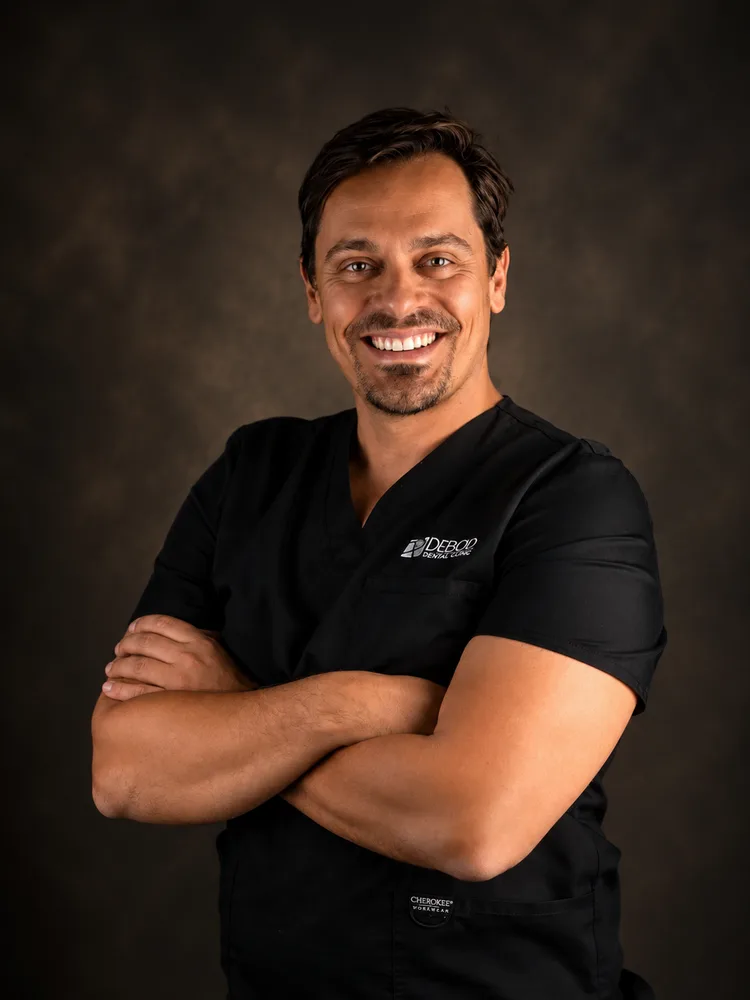
Author
Dr. César Rodríguez
Prosthodontics · Full Oral Rehabilitation
Dr. César Rodríguez is a distinguished prosthodontist with a Master's in Facial Prosthetics and Occlusion from the Complutense University of Madrid. Initially trained in Dentistry at the Central University of Venezuela, his credentials have…
Meet the teamRelated articles
Dental diagnosis in Argüelles, Madrid: the foundation of successful treatment
2 min read · Mar 2026
Oral cancer screening in Argüelles, Madrid: why it is so important
2 min read · Mar 2026
Root canal or extraction: how to know if your tooth can still be saved
4 min read · Jun 2026
Did this article raise questions?
Talk directly with our team of specialists. First consultation with no obligation.
Book a consultation