Cosmetic Dentistry
Digital Smile Design: See Your New Smile Before You Start
Digital smile design lets you preview and approve your future smile on screen before a single tooth is touched: less guesswork, more informed decisions.
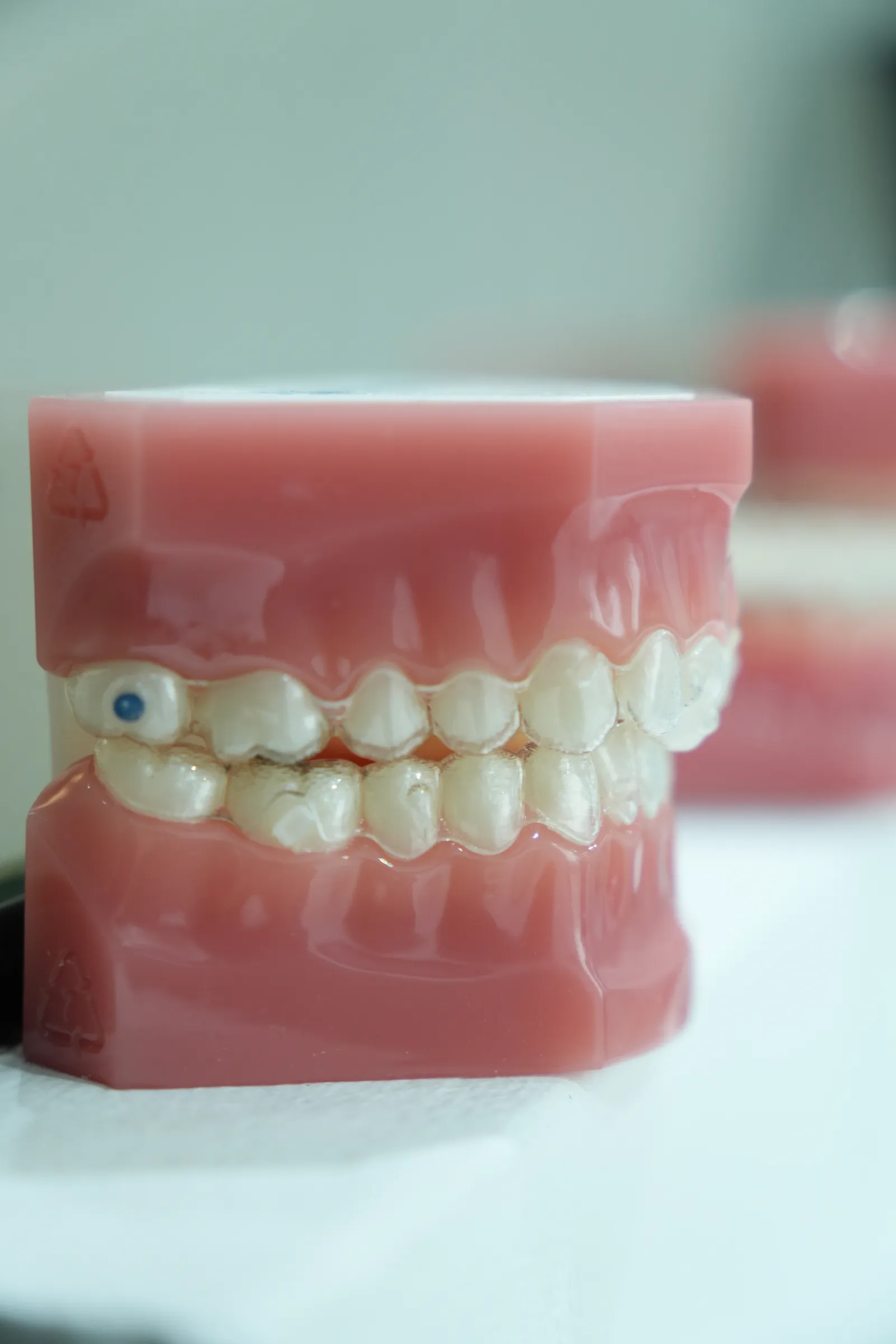
Digital smile design is a process that lets you see a simulation of your future smile on screen and sign off on it before any treatment begins. Instead of imagining the outcome or relying solely on your dentist's word, you take part in the design and decide with the picture right in front of you.
At Debod we treat this as part of our honest approach to dentistry: we'd rather you know where we're heading before we take the first step.
What it is, and what it isn't
Digital smile design (sometimes shortened to DSD) combines photographs, video and 3D models of your mouth to project how your teeth could look after an aesthetic or alignment treatment.
- It is a communication and planning tool: it helps you and the clinical team agree on the goal.
- It isn't a fixed promise or a guaranteed result. A simulation is a finely tuned guide, but the real outcome depends on your anatomy, your gums, your bite and how you care for your teeth afterwards.
In other words: it reduces uncertainty rather than removing it entirely. Even so, that alone changes the whole conversation.
The steps, one by one
The process usually unfolds in a few clear stages:
- Photos and video. We capture your smile at rest and while you speak, your whole face, and close-ups of each tooth. Your smile is designed within the frame of your face, not in isolation.
- 3D scan. An intraoral scanner records the exact shape of your teeth and gums, with no uncomfortable impression paste. The result is a precise digital model.
- Digital mock-up. On that model, the team projects the ideal shape, proportion and position of your teeth, always aiming for something natural that suits your features.
- Try-in mock-up. In many cases we can transfer that design to a temporary trial over your own teeth, without filing them down. You can see and feel the new volume, and even take a real photo before deciding.
- Approval and plan. Only once you're happy do we define the final treatment, with its timings and alternatives.
Which cases it suits
Digital smile design is especially helpful when there's an aesthetic or harmony element you'd like to visualise first:
- Veneers in composite or porcelain, where shape and colour are decisive.
- Alignment with clear aligners: you can see a preview of how your teeth might move.
- Combinations, such as aligning first and whitening afterwards, or coordinating whitening with veneers for an even shade.
- Cases of wear, asymmetry, or tooth proportions you're unhappy with, where seeing options makes choosing easier.
Not everyone needs this level of planning, and at a first visit we'll tell you honestly whether it adds value in your case or not.
Why it removes guesswork (and not only for you)
The big shift is that decisions stop being made blind. You get a visual reference before committing. The clinical team works from a measured plan instead of improvising. And the lab or aligner software receives a clear target.
That usually means fewer surprises, calmer conversations and more realistic expectations. It's still dentistry, with all its biological nuances, but with far less room for a "let's see how it turns out" approach.
Take the first step in Argüelles
If you've been toying with the idea of improving your smile but hesitate because you can't picture the result, this is a good place to start. At our clinic in Argüelles, in the heart of Madrid, we can assess your case and explain, with no obligation, whether digital smile design makes sense for you.
This article is informational and doesn't replace a personalised clinical assessment. We'd love to welcome you for a first diagnostic visit included at Debod: C. de Ferraz, 24, Argüelles, 28008 Madrid (Ventura Rodríguez metro, L3). Call us on +34 914 47 62 25 or message us on WhatsApp at +34 689 10 47 14. We'll be glad to show you how it works in person.
Frequently asked questions
Frequently asked questions about this topic.
It doesn't guarantee it one hundred percent. It's a highly faithful simulation that guides the treatment and reduces uncertainty, but the real outcome depends on your anatomy, gums, bite and aftercare. It's there to help you decide with information, not to promise a fixed result.
The design itself involves no treatment: it's photographs, a 3D scan with no uncomfortable paste, and often a temporary try-in over your teeth without filing them down. It isn't an invasive procedure. If a treatment follows later, it's carried out with the usual comfort measures.
No. Although it's very useful for veneers, it also suits alignment with clear aligners, combined whitening treatments, and cases of wear or asymmetry. At your first visit we assess whether it genuinely adds value in your specific case.
Yes, that's precisely the point. You see the design on screen and, in many cases, can try a temporary mock-up over your own teeth before approving the plan. The final treatment is only defined once you're happy with it.
Reviewed by Dr. César Rodríguez
Prostodoncia · Rehabilitación Oral · COEM Reg. No. 28015194
Last reviewed: 8 June 2026
Informational content reviewed by a registered professional at Debod Dental Clinic. It does not replace a personalised clinical assessment. View specialist profile.
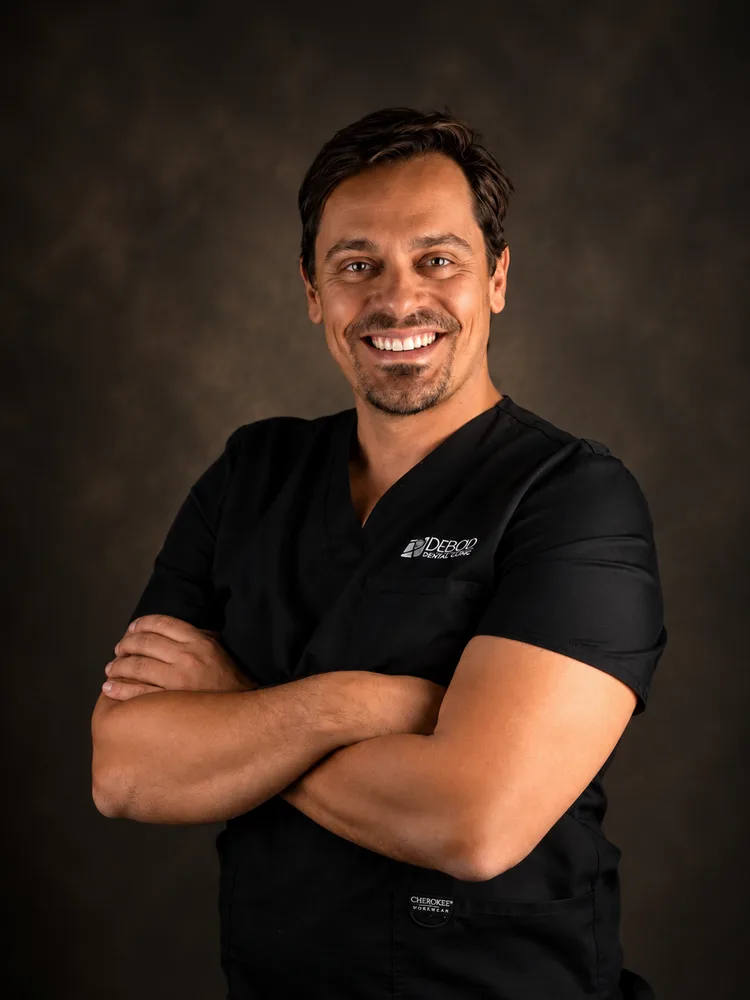
Author
Dr. César Rodríguez
Prosthodontics · Full Oral Rehabilitation
Dr. César Rodríguez is a distinguished prosthodontist with a Master's in Facial Prosthetics and Occlusion from the Complutense University of Madrid. Initially trained in Dentistry at the Central University of Venezuela, his credentials have…
Meet the team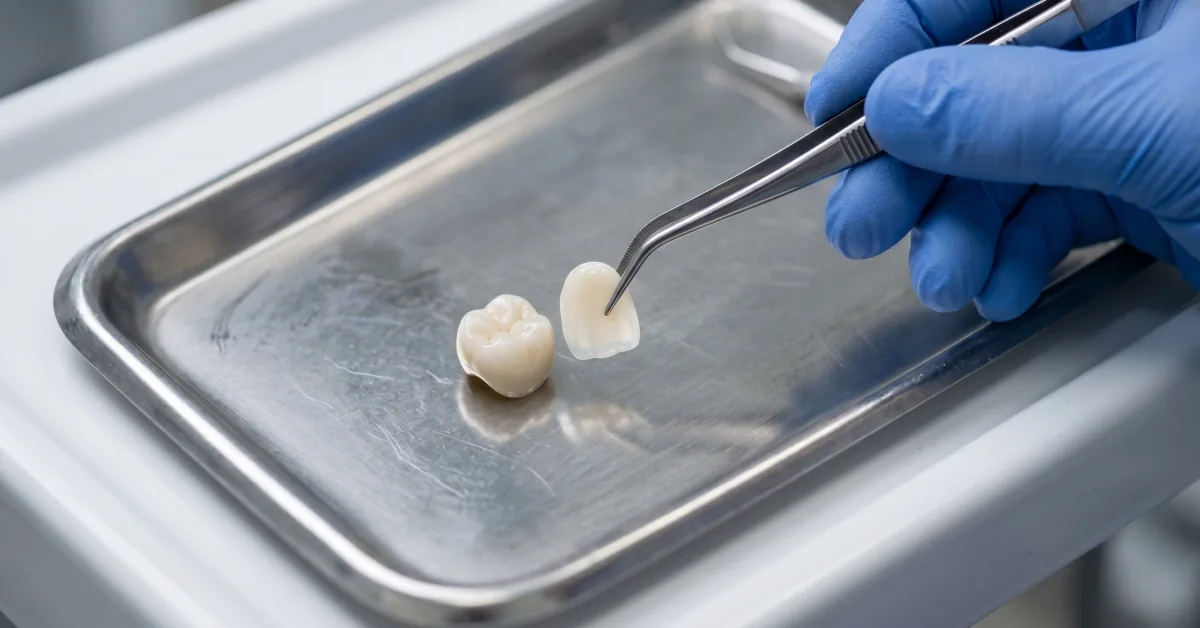
Did this article raise questions?
Talk directly with our team of specialists. First consultation with no obligation.
Book a consultation