Dental Health
Bruxism: how stress is damaging your teeth (and how to fix it)
Bruxism is increasingly common. Stress makes you clench or grind your teeth without realising it, causing wear, pain and sensitivity. It can be solved when caught early.
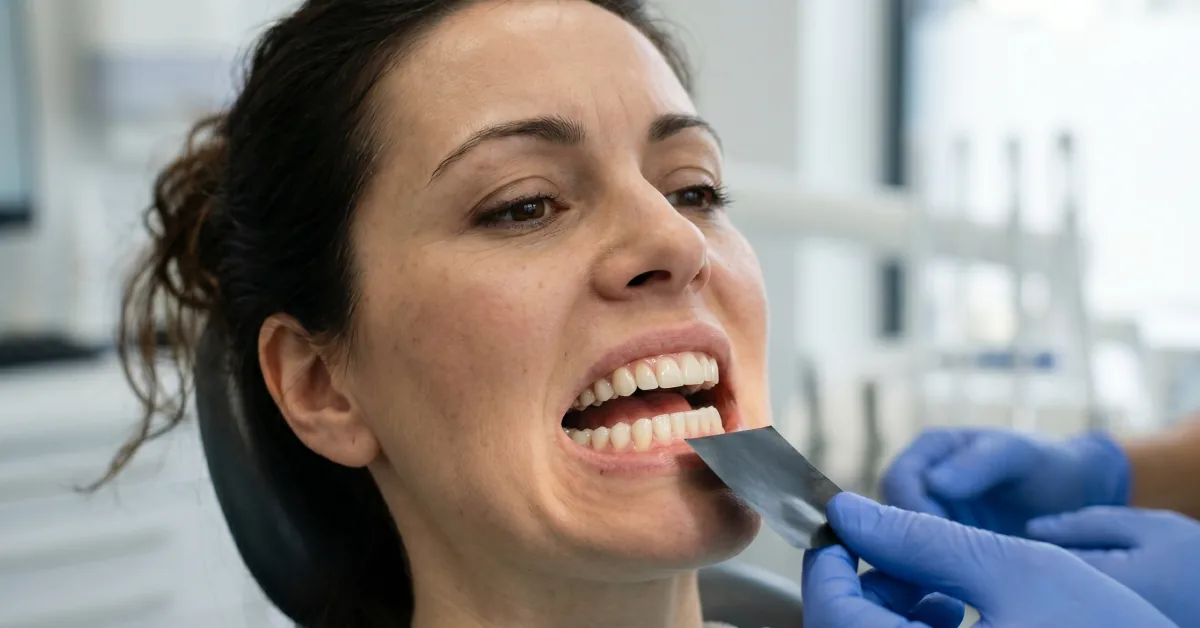
Bruxism is an increasingly common problem. Many people clench or grind their teeth without realising it, especially during the night, and stress is usually one of the main culprits.
Over time, this habit can cause tooth wear, jaw pain, sensitivity and even fractured teeth. The good news is that bruxism can be solved when it is caught early.
What is bruxism?
Bruxism is a disorder in which a person involuntarily clenches or grinds their teeth, generally during sleep, although it can also happen during the day.
Many people are unaware they have it until symptoms appear, such as:
- Visible wear on the teeth
- Pain or tension in the jaw
- Headaches on waking
- Tooth sensitivity
- Discomfort in the neck or ears
Why does stress cause bruxism?
Stress and anxiety are among the most common factors behind bruxism. When the body is under tension, that tension is released through the jaw muscles.
Other factors that can contribute:
- Sleep problems
- Anxiety or work-related stress
- Poor dental alignment
- Habits such as chewing pens or nails
- High caffeine intake
Damage that untreated bruxism can cause
- Progressive tooth wear
- Cracks or fractures in the teeth
- Problems in the temporomandibular joint (TMJ)
- Increased tooth sensitivity
- Gum recession
- Chronic facial or jaw pain
The sooner it is detected, the easier it is to prevent permanent damage to the teeth.
How is bruxism treated?
Custom night guards
The most common solution is a custom night guard, made to measure in our in-house laboratory. It is worn at night to:
- Prevent tooth wear
- Relax the jaw muscles
- Reduce pain and tension
Managing stress
Since stress is a frequent cause, we also recommend:
- Improving sleep habits
- Reducing caffeine intake
- Relaxation techniques or exercise
Correcting associated dental problems
In some cases it may be necessary to correct:
- Bite problems
- Advanced tooth wear
- Damaged restorations
Can bruxism be prevented?
Although it cannot always be fully avoided, certain habits do help:
- Reduce stress before bed
- Avoid caffeine at night
- Maintain good sleep hygiene
- Avoid chewing hard objects
- Attend regular dental check-ups
If you notice wear on your teeth, jaw pain or sensitivity on waking, we recommend a check-up at our Dental Clinic in Argüelles, Madrid.
Frequently asked questions
Frequently asked questions about this topic.
Bruxism is very manageable, especially when caught early. A custom night guard combined with managing stress prevents wear and relieves the discomfort. In cases with a dental cause (bite, restorations), we correct the factor that triggers it.
No. Because it is custom-made in our own in-house laboratory, the guard fits precisely and most patients get used to it within a few nights. It is far more comfortable than a generic over-the-counter protector.
The most typical signs are waking up with pain or tension in the jaw, morning headaches, tooth sensitivity or visible wear on the teeth. At a check-up we can confirm it by observing the wear facets.
Reviewed by Dr. César Rodríguez
Prostodoncia · Rehabilitación Oral · COEM Reg. No. 28015194
Last reviewed: 15 March 2026
Informational content reviewed by a registered professional at Debod Dental Clinic. It does not replace a personalised clinical assessment. View specialist profile.

Author
Dr. César Rodríguez
Prosthodontics · Full Oral Rehabilitation
Dr. César Rodríguez is a distinguished prosthodontist with a Master's in Facial Prosthetics and Occlusion from the Complutense University of Madrid. Initially trained in Dentistry at the Central University of Venezuela, his credentials have…
Meet the team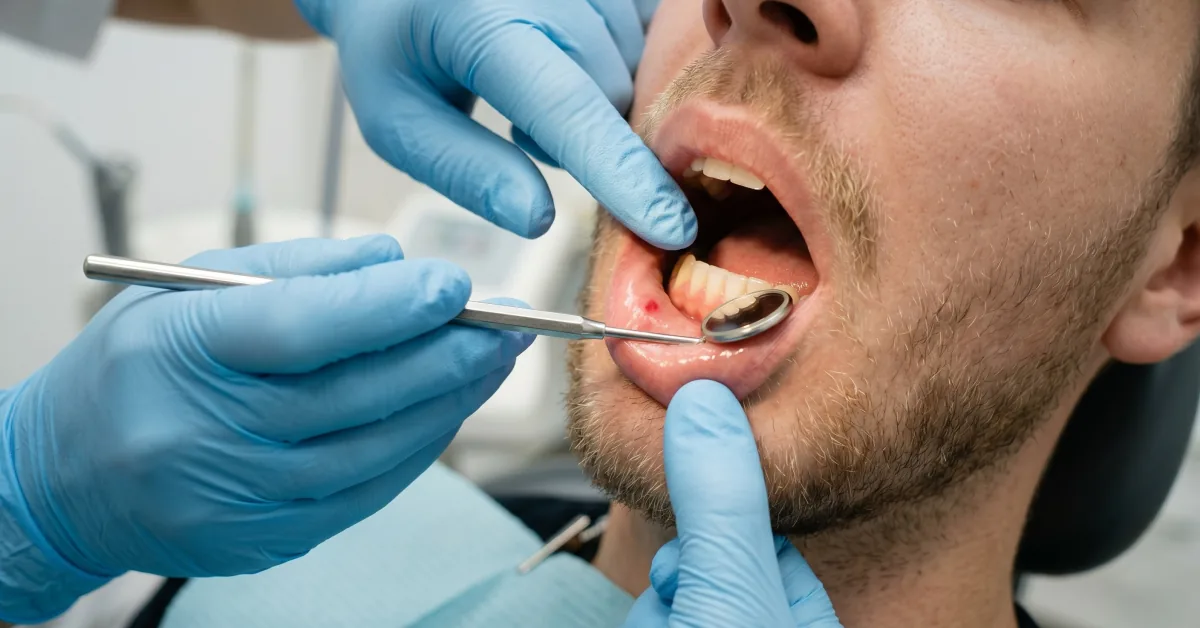
Did this article raise questions?
Talk directly with our team of specialists. First consultation with no obligation.
Book a consultation