Dental Health
Sensitive Teeth: Why Cold Hurts and How to Calm It
That sharp twinge from something cold or sweet has a clear cause, simple home relief, and warning signs for when it needs a dentist.

If a sip of cold water, an ice cream, or even a gust of winter air sends a brief, sharp jolt through your teeth, that is tooth sensitivity. It is one of the most common complaints we see, and in most cases it can be managed. The trick is understanding why it happens and telling the difference between something passing and something that deserves attention.
What tooth sensitivity actually is
Every tooth has a hard outer layer, the enamel, and beneath it the dentine, crossed by thousands of microscopic tubules that lead down to the nerve. When enamel wears thin, or the gum pulls back and exposes the root, those tubules are left open. Cold, heat, sweet, or acidic stimuli then reach the nerve almost directly, and the result is that quick but intense flash of pain that fades within seconds.
Sensitivity is not a disease in itself. It is a symptom, and like any symptom, it is worth listening to.
The most common causes
At Debod, sensitivity almost always traces back to one of these:
- Gum recession. The gum retreats and exposes the root, which has no protective enamel. It is often linked to aggressive brushing or gum disease.
- Enamel wear. Frequent acidic drinks (fizzy drinks, citrus, wine), reflux, or night-time clenching (bruxism) gradually thin that protective layer.
- Cavities. A cavity breaks through the enamel and exposes the dentine; sensitivity can be one of its first signs.
- Cracked or fractured teeth. A crack, sometimes invisible to the naked eye, lets stimuli reach the inside of the tooth.
- After whitening. Temporary sensitivity is common after lightening the shade, and it usually settles within a few days.
How to ease it at home
First, a note: these steps help, but they do not replace a proper diagnosis. That said, many people notice real improvement with simple changes.
- Desensitising toothpaste. Those with potassium nitrate or stannous fluoride help calm the nerve's response. They work best with consistent use over weeks, not overnight.
- Gentle brushing. A soft-bristled brush, light pressure, no scrubbing. Brushing hard wears the tooth down more than it cleans it.
- Mind the timing around acidic food. After citrus or a fizzy drink, wait a while before brushing: enamel is briefly more vulnerable right afterwards.
- Fluoride rinses and staying hydrated can help strengthen enamel over time.
If you clench or grind at night, mention it at your appointment: a night guard can slow the wear.
When to see the dentist
Mild, occasional sensitivity is rarely a worry. But book a visit if you notice any of these:
- The pain lasts more than a few seconds or appears spontaneously, with no trigger.
- It is one single tooth that hurts persistently.
- You can see a dark spot, a crack, or a gum that has pulled back.
- The discomfort is getting worse over the weeks or wakes you at night.
These can point to an advanced cavity, a fracture, or nerve involvement, and the sooner they are assessed, the simpler the treatment usually is.
A calm look, here in Argüelles
At our Argüelles clinic we prefer to look first and act second: find the real cause of your sensitivity before recommending anything. If cold or sweet things have become a daily nuisance, we invite you to a first diagnostic visit included at Debod, on C. de Ferraz, 24 (Ventura Rodríguez metro, L3). Call us on +34 914 47 62 25 or message us on WhatsApp at +34 689 10 47 14. This article is for general guidance and does not replace a personalised assessment.
Frequently asked questions
Frequently asked questions about this topic.
Sometimes it does, especially sensitivity after whitening or a one-off spell of brushing too hard. But if it lasts more than a week or two, or keeps getting worse, it is worth checking, because there may be an underlying cause such as a cavity or receded gum.
They can help quite a bit with mild to moderate sensitivity. Their ingredients calm the nerve's response, but they act gradually and need consistent use over several weeks. They will not fix a cavity or a crack, so they do not replace a check-up.
Yes, it is a common and temporary reaction. It tends to show up in the first days and settle by itself. A desensitising toothpaste and avoiding very cold or acidic drinks during that period are usually enough. If it lasts longer than expected, mention it at your clinic.
In most cases no, but it can be. Pain that lingers, concentrates on a single tooth, appears with no trigger, or comes with a crack or dark spot deserves an assessment, as it may signal an advanced cavity, a fracture, or nerve involvement.
Reviewed by Dr. César Rodríguez
Prostodoncia · Rehabilitación Oral · COEM Reg. No. 28015194
Last reviewed: 25 June 2026
Informational content reviewed by a registered professional at Debod Dental Clinic. It does not replace a personalised clinical assessment. View specialist profile.

Author
Dr. César Rodríguez
Prosthodontics · Full Oral Rehabilitation
Dr. César Rodríguez is a distinguished prosthodontist with a Master's in Facial Prosthetics and Occlusion from the Complutense University of Madrid. Initially trained in Dentistry at the Central University of Venezuela, his credentials have…
Meet the team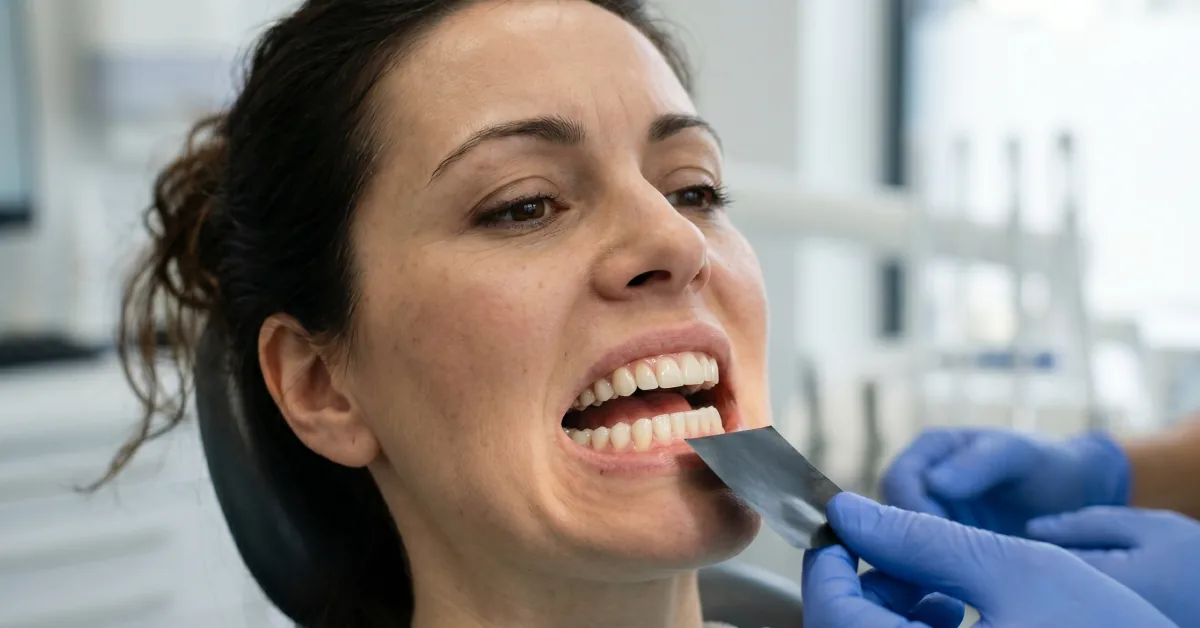
Did this article raise questions?
Talk directly with our team of specialists. First consultation with no obligation.
Book a consultation