Dental Health
Biological Width: What It Is and Why It Matters
Ever wondered why some crowns cause gum inflammation that never seems to settle? It often comes down to something called biological width.
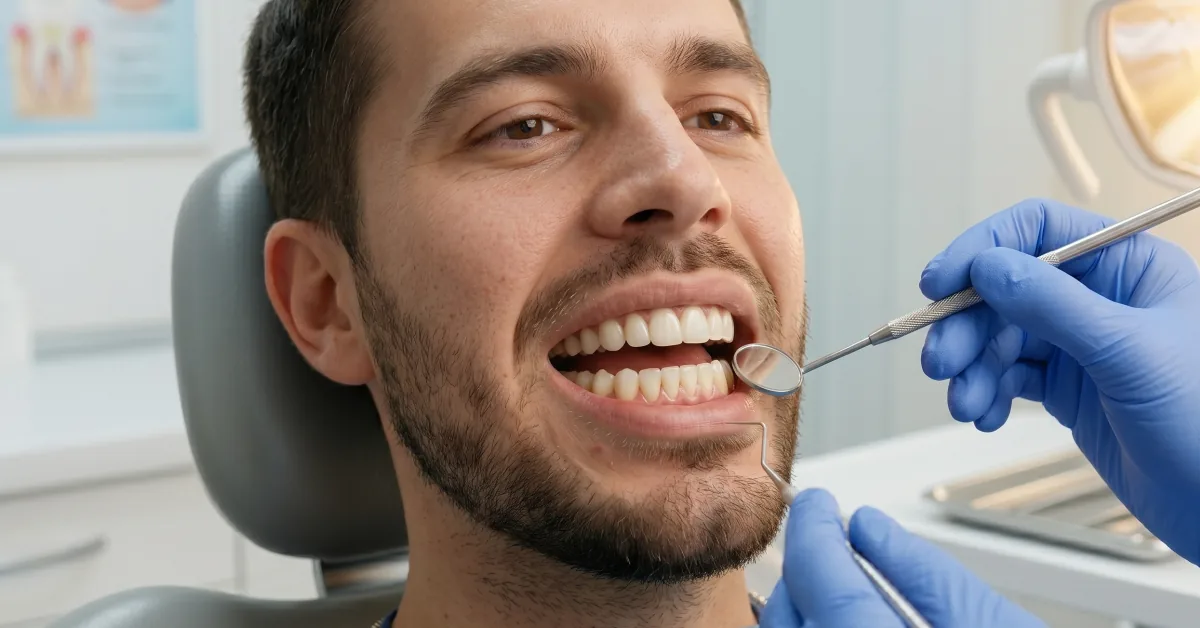
What Is Biological Width? — The Direct Answer
Biological width is the natural, protective distance of gum tissue that sits between the edge of a crown or filling and the bone underneath — roughly 2 mm of soft tissue attachment, plus a small gum groove on top. At Debod Dental Clinic in Argüelles, Madrid, we think of it as the gum's own security perimeter around each tooth. When a restoration margin sits too close to the bone, that perimeter gets invaded, and the gum reacts with inflammation that will not calm down on its own.
Why Does This Matter for Your Dental Health?
Here is the everyday version of a fairly technical idea. Around every tooth, just below where you can see the gumline, there is a thin band of tissue that seals the space between the tooth and the bone — a bit like the rubber seal around a window frame that keeps water out. If a crown, filling or veneer margin is placed too far down, it disturbs that seal.
The gum cannot simply move out of the way and heal like skin does. Instead, it tries to re-establish its natural width — sometimes by pulling back (recession), sometimes by staying chronically inflamed, and sometimes by allowing the bone underneath to be gradually lost. None of these outcomes are reversible with a mouthwash or a better toothbrush.
Is it normal for a single restored tooth to bleed while the rest of your mouth is fine? Not really — and that is often the first clue something structural is going on, not just a hygiene issue. This is one reason we always ask, before placing any restoration, where exactly the margin will sit and what that means for the tissue around it.
Frequently Asked Questions
Does invading the biological width hurt?
Not usually on its own. What you tend to notice is persistent gum inflammation or bleeding around a specific tooth that does not improve however well you brush and floss. Some patients also feel tenderness when pressing the gum near a crown margin, but sharp pain is not typical unless there is an infection alongside it.
How much does treatment cost?
It depends entirely on whether the fix is surgical crown lengthening, orthodontic extrusion, or simply redesigning a restoration margin. We cannot give an honest figure without seeing the tooth, the bone level and the existing restoration first — this is confirmed after a diagnostic visit with 3D scanning at our Argüelles clinic.
How long does recovery take after crown lengthening surgery?
Initial healing of the gum takes around one to two weeks, but the tissue needs to mature and stabilise for six to twelve weeks before we can safely take an impression for the final restoration. Rushing this step is one of the most common causes of restorations that fail early.
Is this an urgent problem?
Rarely an emergency in the way a dental abscess is, but it is not something to leave indefinitely either. Ongoing biological width invasion causes slow, progressive bone loss around the tooth, so booking a check as soon as you notice unexplained, localised inflammation is worth doing.
How do I know if I need this checked?
If you have a crown, veneer or filling with a margin close to the gumline and that specific tooth stays inflamed or bleeds despite good hygiene elsewhere in your mouth, it is worth asking your dentist to check the relationship between the restoration margin and the bone. A periapical X-ray and a clinical exam usually give the answer.
Can this be prevented before getting a crown or veneer?
Yes, largely. Digital planning with an intraoral scanner and, where needed, a 3D scan lets the dental team see exactly where the bone sits before designing the restoration, so the margin can be placed at a safe distance rather than guessed at.
What Should You Know Before Your First Visit?
If you already have a crown, porcelain veneer or deep filling that is giving you trouble, a bit of preparation helps us get to the answer faster.
- Note which specific tooth is inflamed and roughly how long it has been happening.
- Bring details of when the restoration was placed, if you know.
- Mention if you have already tried extra brushing or interdental brushes without improvement.
- Let us know if the area has ever been treated for gum disease before.
We will usually start with a clinical exam and a periapical X-ray, and in more complex cases with bone sounding under local anaesthetic — a simple, quick probing measurement that tells us exactly how much bone-to-margin distance you actually have. It is not something to fear; it takes moments and gives us a precise answer rather than a guess.
When Is It Urgent to See a Dentist?
Book an appointment sooner rather than later if you notice a gum around one tooth that bleeds persistently despite good hygiene, if the gum in that area is visibly puffy or dark red compared to its neighbours, or if you can see the gumline slowly receding around a crowned tooth. Sudden swelling, pain when biting, or a bad taste coming from that specific area suggests infection and should be seen as genuinely urgent, ideally within a day or two rather than weeks.
Left unaddressed, chronic biological width invasion tends to progress quietly — mild inflammation today can mean measurable bone loss in a year or two. Would it be worth having it checked even if it does not bother you day to day? If a crown or veneer is involved, honestly, yes.
Why Choose Debod Dental Clinic?
Getting the biological width right starts long before any drill touches a tooth — it starts with planning. At our clinic in Argüelles, just a few steps from the Temple of Debod, we use intraoral scanning and 3D imaging to map the exact position of the bone before designing any dental crown or veneer, rather than estimating the margin by eye.
Restorations are then produced through our own in-house laboratory, Debod Dental Lab, so the dentist and the lab technician can adjust margin design together with the same digital data, without delays or miscommunication between clinic and an external lab.
Every new patient starts with a complimentary diagnostic first visit, where we assess gum health, restoration margins and bone levels properly before recommending anything — because an honest treatment plan has to start with an honest look at what is actually happening beneath the gumline. If you are dealing with a crown or veneer that never seems to settle down, get in touch through our contact page and we will take a proper look.
Frequently asked questions
Frequently asked questions about this topic.
Not usually on its own. What you tend to notice is persistent gum inflammation or bleeding around a specific tooth that does not improve however well you brush and floss. Some patients also feel tenderness when pressing the gum near a crown margin, but sharp pain is not typical unless there is an infection alongside it.
It depends entirely on whether the fix is surgical crown lengthening, orthodontic extrusion, or simply redesigning a restoration margin. We cannot give an honest figure without seeing the tooth, the bone level and the existing restoration first — this is confirmed after a diagnostic visit with 3D scanning at our Argüelles clinic.
Initial healing of the gum takes around one to two weeks, but the tissue needs to mature and stabilise for six to twelve weeks before we can safely take an impression for the final restoration. Rushing this step is one of the most common causes of restorations that fail early.
Rarely an emergency in the way a dental abscess is, but it is not something to leave indefinitely either. Ongoing biological width invasion causes slow, progressive bone loss around the tooth, so booking a check as soon as you notice unexplained, localised inflammation is worth doing.
If you have a crown, veneer or filling with a margin close to the gumline and that specific tooth stays inflamed or bleeds despite good hygiene elsewhere in your mouth, it is worth asking your dentist to check the relationship between the restoration margin and the bone. A periapical X-ray and a clinical exam usually give the answer.
Yes, largely. Digital planning with an intraoral scanner and, where needed, a 3D scan lets the dental team see exactly where the bone sits before designing the restoration, so the margin can be placed at a safe distance rather than guessed at.
Reviewed by Dr. César Rodríguez
Prostodoncia · Rehabilitación Oral · COEM Reg. No. 28015194
Last reviewed: 26 August 2026
Informational content reviewed by a registered professional at Debod Dental Clinic. It does not replace a personalised clinical assessment. View specialist profile.

Author
Dr. César Rodríguez
Prosthodontics · Full Oral Rehabilitation
Dr. César Rodríguez is a distinguished prosthodontist with a Master's in Facial Prosthetics and Occlusion from the Complutense University of Madrid. Initially trained in Dentistry at the Central University of Venezuela, his credentials have…
Meet the team
Did this article raise questions?
Talk directly with our team of specialists. First consultation with no obligation.
Book a consultation