Dental Health
Dentist in Argüelles with a 3D Intraoral Scanner
A 3D intraoral scan can make dental planning more comfortable and easier to understand. Here is what it can—and cannot—tell us.
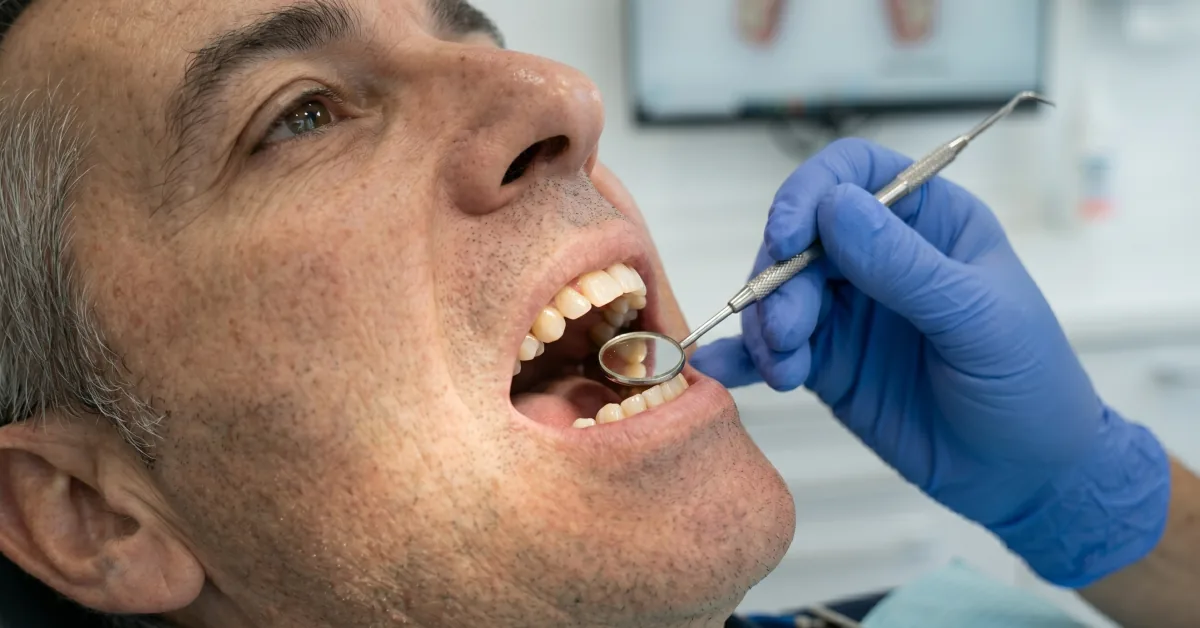
The Debod team’s perspective on finding a dentist in Argüelles with a 3D intraoral scanner
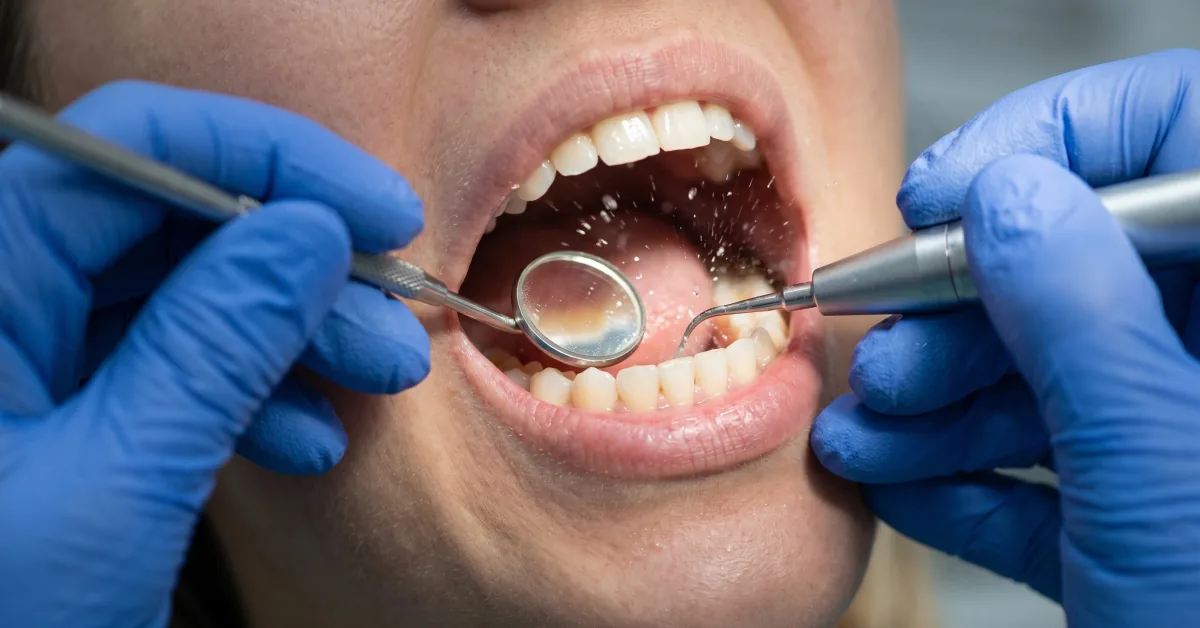
At Debod Dental Clinic in Argüelles, Madrid, we see the intraoral scanner as a useful diagnostic and communication tool, not a shortcut or a promise. It creates a three-dimensional digital model of the visible teeth, gums and bite using an optical camera. No radiation. No trays filled with impression paste. For many people, that alone makes a dental appointment feel more manageable.
A scan lets us show you what we are seeing. A worn edge, a tooth that has moved, the space available for a crown, or how your upper and lower teeth meet. It is rather like looking at a detailed map before choosing a route. The map helps, but it does not replace the person reading it properly.
If you are looking for a dentist in Argüelles with a 3D intraoral scanner, ask a simple question: what problem will the scan help solve in my particular case? A good answer should be clear and specific. It might support planning for a crown, an aligner treatment, a protective night guard, a veneer or implant work. It should not be presented as a magic test that sees everything.
That distinction matters. A scan can be very comfortable, very informative and very accurate when used well. Yet it is only one part of a proper assessment. We still examine your mouth, discuss symptoms and use other tests when they are clinically indicated. The next section explains why this is more relevant than it may sound.
What most clinics do not tell you about 3D intraoral scans
An intraoral scanner captures what the camera can see: tooth surfaces, visible gum tissue and the way the teeth come together. It builds these images into a digital 3D model. It does not diagnose every dental problem by itself.
What happens if a cavity is hiding between two teeth? Or if there is an infection around a root, or a change in the jawbone? These may not be visible on an intraoral scan. Depending on your symptoms and examination, suitable X-rays or a cone beam CT scan, often called CBCT, may be needed. CBCT is a three-dimensional X-ray that can be useful for selected implant and surgical cases.
The quality of a digital scan also depends on the clinical situation. Saliva, bleeding gums, deep edges below the gum line, mobile tissues and long, complex restorations can make accurate recording harder. In these cases, an experienced clinician may choose a conventional impression, a combined technique or another digital method. That is not a failure of technology. It is choosing the right tool for the job.
Research supports the comfort benefits in suitable restorative cases. In a randomised clinical study, patients reported considerably less discomfort with a digital impression than with a conventional one, while the total clinical time was also shorter in the digital group. Gjelvold and colleagues’ study is a helpful example, although no single study can decide what is right for every mouth.
Is it normal to prefer scanning if you have a strong gag reflex? Yes. Many patients do, because there is no bulky impression tray or setting material. Still, tell us before we begin. Small adjustments in position and pace can make a real difference.
Our clinical experience
We do not use anonymous case stories as proof of outcomes. Every person’s teeth, gums, bite and treatment goals are different, and it would not be honest to imply that one result can be copied exactly.
Instead, here are three hypothetical examples that show how a 3D intraoral scanner may fit into everyday care.
A hypothetical patient in their forties has an old filling and a cracked-looking back tooth. The scan can help record the tooth shape and bite when planning a dental crown. Before any restoration is designed, the dentist checks the tooth clinically and may take X-rays to assess areas the scan cannot show. The aim is not to make a tooth look artificially perfect; it is to restore function while keeping the appearance natural.
A hypothetical patient notices that their front teeth have shifted over the years. A digital model can document the starting position and help explain options such as Invisalign clear aligners. How long does treatment take? That depends on the movement required, the bite, wear time and biological response. A digital simulation is useful for discussion, not a contractual guarantee of a final result.
A hypothetical patient is considering an implant after losing a tooth. The scan can record the mouth digitally, while a CBCT scan may be indicated to assess available bone and nearby anatomy. When appropriate, these records can contribute to planning guided implant surgery. The treatment plan is confirmed only after a full assessment.
These examples have a common thread: scanning makes information easier to capture, share and review. It cannot make inflamed gums healthy, remove active decay or correct an unstable bite on its own. Those conditions need attention first.
Questions patients often ask about a dentist in Argüelles with a 3D intraoral scanner
Does the 3D intraoral scan hurt?
No. The scanner is passed around the teeth and gums without needles or radiation. It may feel unfamiliar at first, especially near the back teeth, but it should not be painful. If you feel uncomfortable, say so. We can pause.
How long does a digital dental scan take?
The scan itself commonly takes a few minutes. The appointment may take longer because a meaningful assessment can include an examination, discussion, photographs, bite checks and, where needed, diagnostic imaging. The scan is quick; careful planning should not feel rushed.
Is a 3D scan enough before veneers?
Not by itself. Before considering porcelain veneers, gums should be healthy, with a coral-pink appearance rather than redness or bleeding, and active decay should be treated. Bite problems may need addressing first as well. Veneers should respect the individual character of the teeth, including subtle texture and natural shapes, rather than creating a uniform square, advertising-style look.
Is it normal that the scan shows my teeth more clearly than a mirror?
Yes. A large 3D model can make small details easier to see and discuss. That is one reason patients often find it useful. It can help you understand the proposed care, but it does not replace the dentist’s diagnosis or examination.
Is a scan useful for a night guard or teeth grinding?
It can be. A digital record may help create a fitted protective appliance and monitor visible wear over time. What happens if teeth grinding is left untreated? Teeth may continue to wear or chip, though the right approach depends on the cause, symptoms, jaw function and tooth condition.
Is it worth choosing a clinic because it has a scanner?
A scanner is worth having when it is used thoughtfully for your needs. The more useful question is whether the clinic explains its findings clearly, offers appropriate alternatives and plans treatment around your oral health rather than selling a device.
What technology do we use at Debod for 3D intraoral scanning?
At Debod Dental Clinic, our digital workflow can include an intraoral scanner to create a 3D record of the mouth. When clinically relevant, we combine that information with other diagnostic records, such as photographs, X-rays and TAC 3D imaging. Each test has a different role.
For restorations and prosthetic planning, our in-house Debod Dental Lab supports a digital workflow between the clinical team and laboratory. This can make communication around shape, fit and shade more direct. It does not remove the need for careful checks in the mouth, adjustments where necessary and follow-up.
A well-planned digital process often follows a straightforward sequence:
- We listen to what concerns you and examine your teeth, gums and bite.
- We take a scan when it will add useful information or improve comfort.
- We request further imaging only when it is justified by the clinical question.
- We explain the findings, options, likely limitations and next steps in plain language.
Does the scanner replace a first visit? No. It can be part of the first diagnostic appointment, but the conversation and clinical examination remain at the centre of it. If you are weighing up a crown, aligners, a night guard or implant treatment in Madrid, we invite you to book an included first diagnostic visit through our contact page. We will assess your case properly and tell you whether a digital scan is likely to help.
Debod Dental Clinic is at C. de Ferraz, 24, Argüelles, 28008 Madrid, España, close to Ventura Rodríguez station on Line 3. We welcome patients who prefer care in English, too. The right technology should make dentistry clearer and more comfortable—not more confusing.
Frequently asked questions
Frequently asked questions about this topic.
No. The scanner is a small optical camera that moves around the teeth and visible gums. It does not use radiation and usually feels much more comfortable than conventional impression materials.
The scanning itself often takes only a few minutes, although the full appointment depends on whether photographs, X-rays, bite records or further planning are needed.
Not on its own. A scan shows the visible surfaces of teeth and gums, but hidden decay between teeth, root problems and bone changes may require a clinical examination and suitable X-rays or a CBCT scan.
Yes, it can be useful for recording the teeth, gums and implant positions. For implant surgery, the clinician may combine it with a CBCT scan to plan treatment, depending on the case.
Not always. Digital scanning is very helpful in many cases, but some full-arch, deep-margin or complex cases may need a conventional, hybrid or other specialised recording technique.
Reviewed by Dr. César Rodríguez
Prostodoncia · Rehabilitación Oral · COEM Reg. No. 28015194
Last reviewed: 23 September 2026
Informational content reviewed by a registered professional at Debod Dental Clinic. It does not replace a personalised clinical assessment. View specialist profile.
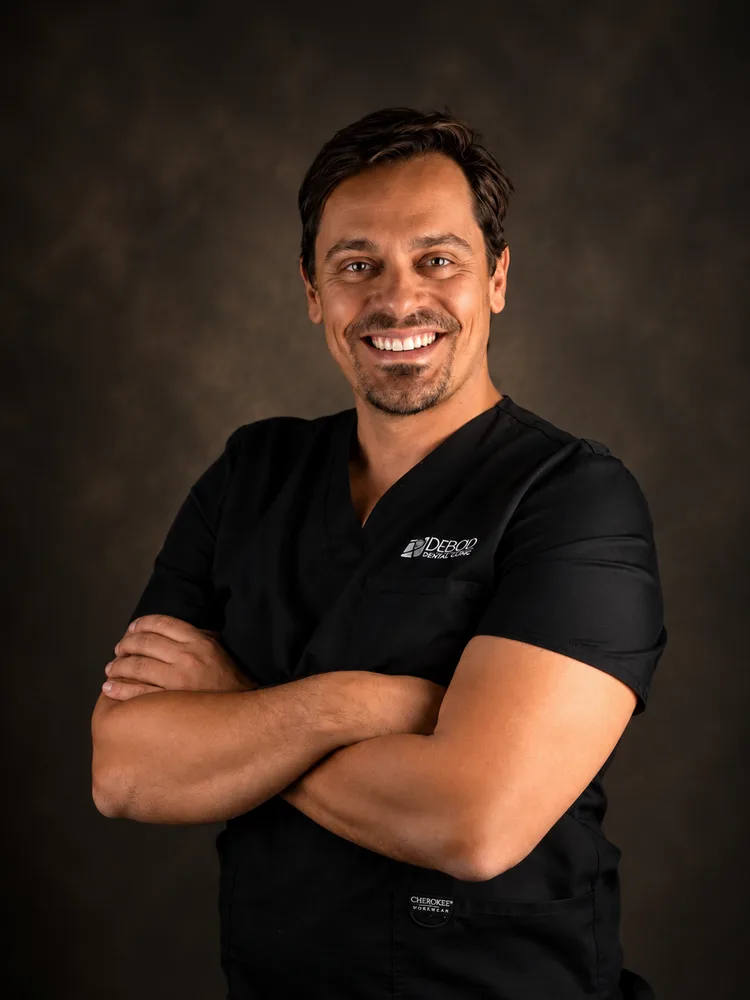
Author
Dr. César Rodríguez
Prosthodontics · Full Oral Rehabilitation
Dr. César Rodríguez is a distinguished prosthodontist with a Master's in Facial Prosthetics and Occlusion from the Complutense University of Madrid. Initially trained in Dentistry at the Central University of Venezuela, his credentials have…
Meet the team
Did this article raise questions?
Talk directly with our team of specialists. First consultation with no obligation.
Book a consultation