Dental Health
First Orthodontic Appointment in Argüelles
Thinking about braces or clear aligners? Find out what we assess at your first orthodontic appointment in Argüelles, Madrid.
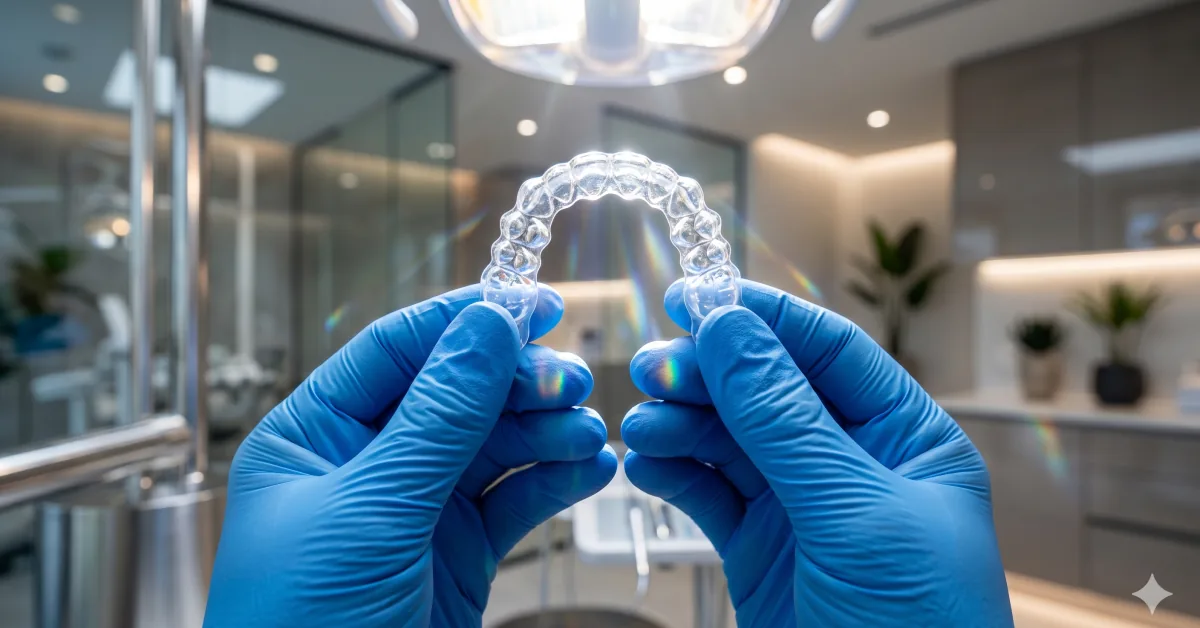
What does a first orthodontic appointment at Debod Dental Clinic include?
A first orthodontic appointment at Debod Dental Clinic is a careful assessment of your teeth, bite, gums and facial growth or jaw relationship. It is not a rushed sales conversation. We listen to what concerns you, explain what we can see and outline whether monitoring, early treatment or full orthodontic treatment may be appropriate.
In Argüelles, Madrid, patients come to us for many different reasons: crowded teeth, gaps, a tooth that has not appeared, a bite that feels uneven, or simply because they avoid smiling in photos. The visible concern is not always the whole story. A small gap, for example, can be simple to manage—or it can be a sign that the bite needs closer attention.
The first visit is included and gives you space to ask questions before committing to anything. You may bring previous X-rays, dental reports and a list of regular medication. If you are pregnant or think you could be, please tell the team before any X-ray is considered.
How much does a first orthodontic appointment cost in Madrid? — Honest pricing
At Debod Dental Clinic, the first diagnostic appointment is included. The cost of orthodontic treatment itself varies considerably because every plan is different: the type of bite, complexity of tooth movement, treatment method, expected duration and whether other dental care is needed all affect the total.
A trustworthy quote should not be guessed before examining your mouth. Following the assessment, clinical records and any individually justified imaging, you should receive a clear written treatment proposal explaining what is included. We can also discuss financing of up to 60 months, with 0% interest for the first 12 months and no upfront payment, subject to the clinic terms and the agreed plan.
What happens if you are offered a fixed price before anyone has looked at your gums, roots or bite? Treat it with caution. Orthodontics is more like tailoring a suit than choosing a shelf-size garment: the starting point matters.
How do I know whether I am an ideal candidate?
You may be a suitable candidate if you have crowding, spaces, a crossbite, open bite, deep bite, prominent front teeth or concerns about the way your teeth meet. Children may benefit from an assessment while they are growing, particularly if there is delayed or uneven eruption, repeated trauma to prominent incisors, persistent thumb sucking or a noticeable jaw imbalance.
Adults can also have orthodontic treatment. Age alone is not a barrier. The key question is whether the teeth and supporting gums are healthy enough to move safely, and whether the plan suits your goals and daily routine.
It may not be the right time to begin if there are active cavities, gum inflammation or periodontal disease. These conditions should be stabilised first. Orthodontics should never be used to cover up dental disease. A poor bite may also need fuller analysis before choosing clear aligners simply because they seem more discreet.
At the appointment, we look for issues such as:
- Teeth that are crowded, rotated, missing or trapped beneath the gum
- A bite that is crossed, open, deep or noticeably forward
- Gum bleeding, recession or poor plaque control
- Jaw discomfort, restricted movement or habits affecting the bite
Is it normal that a bite problem causes no pain? Yes. Many malocclusions have no obvious symptoms. That does not automatically mean treatment is necessary, but it is a good reason to have a proper assessment rather than relying on appearances alone. Research links malocclusion with oral-health-related quality of life, while expectations about preventing every future dental or jaw problem should remain realistic. Read the systematic review.
The step-by-step process at Debod
The first stage is a conversation. We ask about your dental history, medical conditions, medication, allergies, previous trauma, habits and what you would like to change. This gives context to the examination. Teeth do not sit in isolation; they work with gums, bone, muscles and the jaw joints.
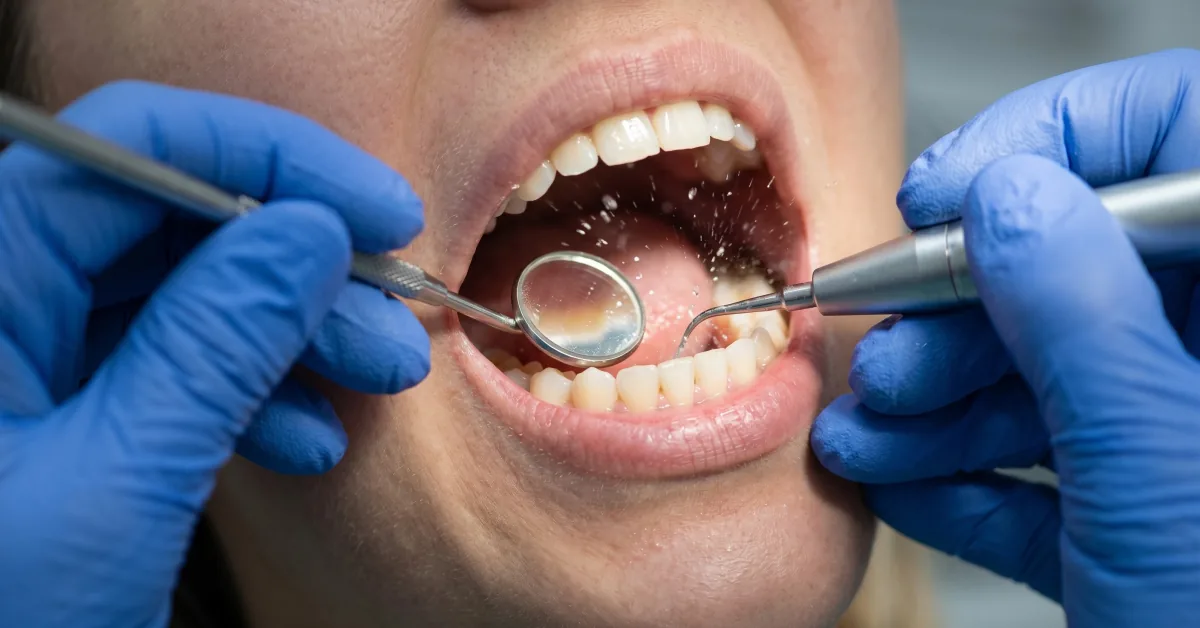
Next, the orthodontic assessment looks at the face, smile, bite, teeth, gums and jaw movement. We may take photographs and create a digital model with an intraoral scanner. It is a little like making a precise map before planning a journey: without it, treatment decisions can become assumptions.
X-rays are not automatic. Spanish regulations require each exposure to be individually justified, previous images reviewed where available and the minimum necessary imaging used. A panoramic X-ray may help assess eruption, roots or unerupted teeth. A side-view X-ray can help in selected cases involving jaw relationships. A 3D scan is reserved for situations where it would change the plan, such as complex tooth inclusion, asymmetry or surgical planning. Spanish radiation-protection regulation explains this individual approach.
Once the records have been reviewed, we explain the diagnosis in plain English and discuss the choices. This could mean observation, interceptive treatment for a growing child, fixed braces, clear aligners, skeletal anchorage with small orthodontic screws, or referral for combined orthodontic and jaw surgery in selected severe skeletal cases.
The treatment plan should include expected timing, possible risks, retention and review visits. Here is the part many patients only discover later: finishing active treatment is not the finish line. Retainers are needed to reduce the chance of teeth shifting back.
Where a custom appliance or restoration is relevant to a wider dental plan, our in-house Debod Dental Lab supports the digital workflow. For patients who need other care before orthodontics, we may first recommend treatment such as a dental examination and cleaning or restorative care. Healthy foundations first.
Questions we are always asked before booking
Does the first orthodontic appointment hurt?
No. The assessment itself should not hurt. We examine the teeth, gums, bite and jaw movement, and a digital scan is generally comfortable. Some areas may be tender if you already have inflammation or a painful tooth, so please mention this at the start.
How long does it take to get a treatment plan?
This depends on the records needed and the complexity of the case. Some cases are straightforward; others need a more detailed review of scans, tooth positions or growth patterns. It is better to take the time needed than to start moving teeth with unanswered questions.
Are clear aligners better than braces?
Neither option is automatically better. Clear aligners can be very effective when the case and daily wear are suitable. Fixed braces may offer more predictable control for particular movements or complex bites. A review of adult cases found overall bite outcomes were less favourable with aligners than fixed appliances in some situations, which is why case selection and patient cooperation matter. Read the review.
How long do orthodontic results last?
Results can last for many years, but teeth naturally have a tendency to move over time. Long-term retainer use is the usual way to protect the result. Retainers are not an optional afterthought; they are part of the plan.
Is orthodontic treatment guaranteed?
No ethical clinician can guarantee an exact result or an exact finishing date before assessing the case. Biology, tooth movement, gum health, attendance and use of aligners or retainers all influence treatment. We do commit to explaining the expected outcome, limits, risks and alternatives clearly before you decide.
Is it worth booking if I am not sure I want treatment?
Yes, if you want clarity. You may leave with reassurance that monitoring is enough, or with a practical explanation of the options. Sometimes the best treatment is simply to wait and review. That is still a useful answer.
Why choose Debod Dental Clinic in Argüelles?
Debod Dental Clinic is located at C. de Ferraz, 24, Argüelles, 28008 Madrid, a short walk from the Temple of Debod and close to Ventura Rodríguez metro station on Line 3. Plaza de España and Argüelles stations are also nearby.
Our orthodontic care is led by Dr. Víctor Guerrero, whose clinical focus includes orthodontics, dentofacial orthopaedics, clear aligners and skeletal anchorage. Every plan starts with a diagnosis, not a product. Digital intraoral scanning, carefully selected imaging and the support of Debod Dental Lab help us plan with accuracy while keeping the experience clear and comfortable.
You will receive an explanation you can understand, time to weigh up the options and a written plan before moving forward. If you are ready to understand your bite, rather than merely hide it, book an appointment with Debod Dental Clinic. We are open Monday to Friday, 9:00–20:00, and can also support international patients in English.
Frequently asked questions
Frequently asked questions about this topic.
No. The first visit is an assessment: we examine your bite, teeth, gums and jaw movement. If X-rays are needed, they are painless and only requested when clinically justified.
It usually takes long enough to listen to your concerns, examine your mouth and review any necessary records. The exact timing depends on whether scans or photographs are required.
Not yet. Active decay and gum inflammation need treatment first, because teeth should only be moved in a healthy mouth.
No. Clear aligners can be an excellent option for many cases, but fixed braces, growth guidance or another approach may be more predictable depending on the bite and the movements needed.
Yes. Retainers help keep teeth in their new position after active treatment and are generally needed for long-term stability.
Reviewed by Dr. Víctor Guerrero
Ortodoncia · Ortopedia Dentofacial · COEM Reg. No. 28013382
Last reviewed: 27 November 2026
Informational content reviewed by a registered professional at Debod Dental Clinic. It does not replace a personalised clinical assessment. View specialist profile.
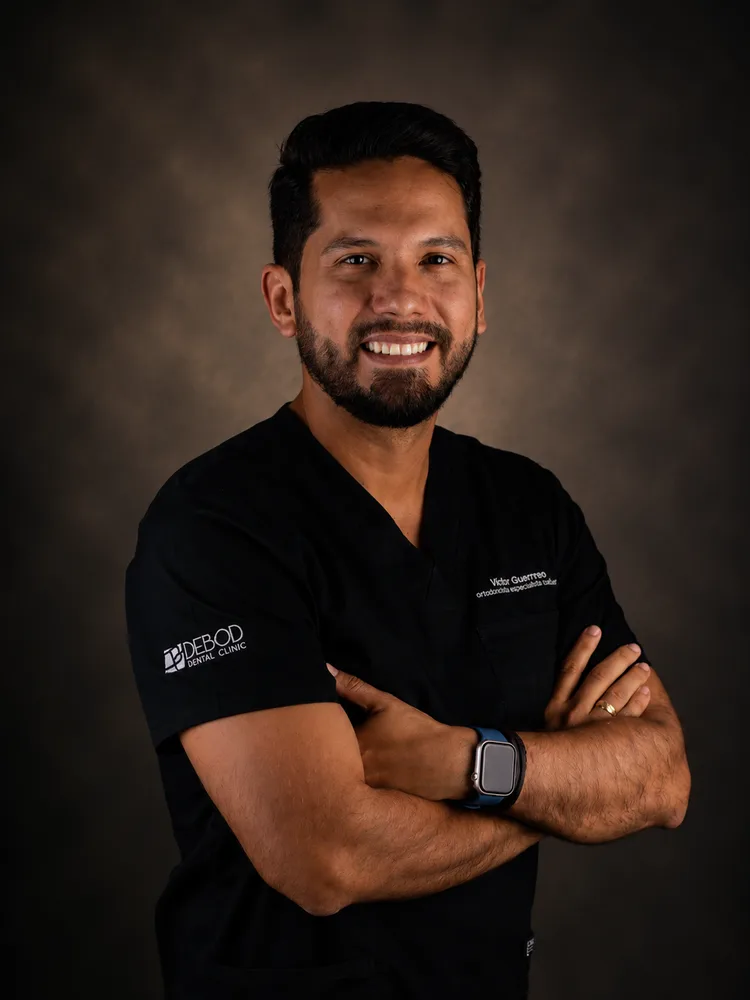
Author
Dr. Víctor Guerrero
Orthodontics · Dentofacial Orthopaedics
Dr. Víctor Guerrero is a leading specialist in orthodontics and dentofacial orthopaedics, recognised for his contributions to the fields of invisible orthodontics and skeletal anchorage. A graduate with honours in Dentistry and Orthodontics…
Meet the team
Did this article raise questions?
Talk directly with our team of specialists. First consultation with no obligation.
Book a consultation