Dental Health
Is Dental Tourism Safe in Madrid?
Dental tourism in Madrid can be safe when the clinic, treatment plan and follow-up are right for you. Here is what to check before travelling.
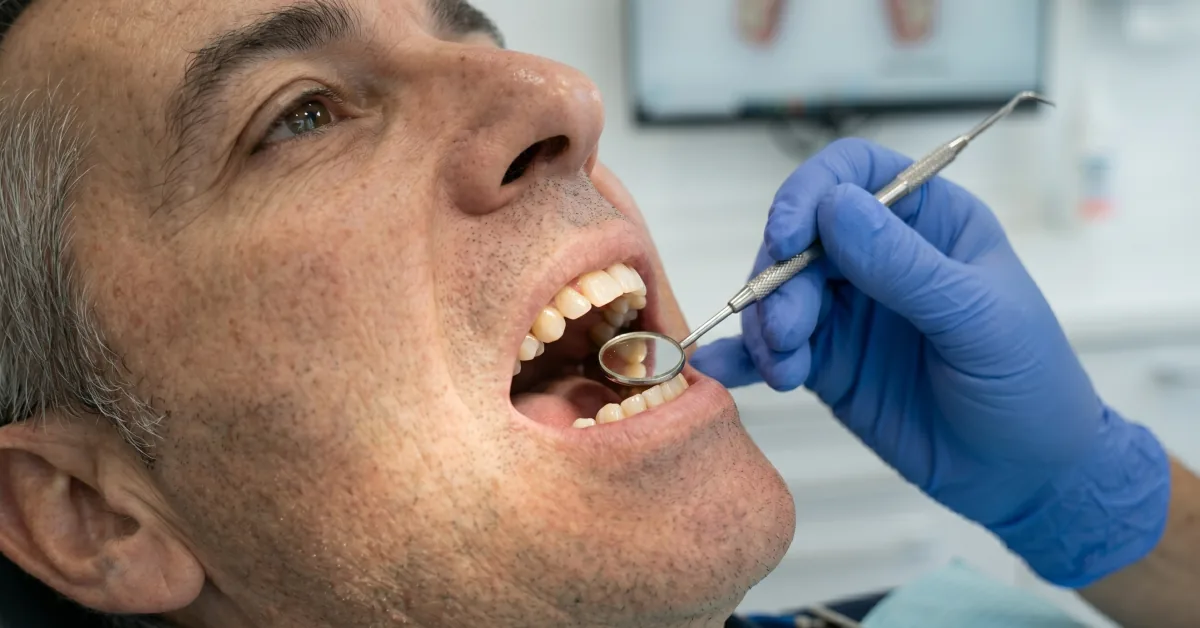
What does dental tourism in Madrid include at Debod Dental Clinic?
Dental tourism means receiving planned dental care while visiting another country. At Debod Dental Clinic, international patients are welcomed in English and receive a diagnosis before any definitive treatment is proposed.
Safety is not determined by Madrid, a low headline price or how quickly a treatment is advertised. It comes from a suitable diagnosis, clear choices, qualified professionals and a realistic plan for care after you go home. For some patients, that may mean treating a small problem during one visit. For others, the honest answer is to phase treatment or wait.
A dental journey should feel more like planning a trip with a map than boarding a train without knowing the destination. Before travelling, you should know what has been found, which options exist and what happens at each stage. There is one detail many people overlook until it matters: what if you need help after your flight home? We will come back to that.
How much does dental tourism in Madrid cost? — Honest prices
There is no safe fixed price for dental tourism because the treatment itself may range from an examination and cleaning to implant surgery or a full-mouth rehabilitation. Your actual fee should be confirmed after the included first diagnostic visit, with the appropriate examination and, where justified, an intraoral scan or 3D CT scan.
Ask for a written plan that states the diagnosis, recommended treatment, alternatives, materials, expected appointments and the total foreseeable cost. A quote that only names “implants in one day” or a number of veneers is not enough to tell you whether it suits your mouth. Healthy gums, existing fillings, decay, bite forces and bone volume can all change the sensible plan.
Debod Dental Clinic offers financing for up to 60 months, with 0% interest for the first 12 months and no deposit, subject to the agreed terms. Financing can make phased care easier to organise, but it should never encourage treatment that has not been properly indicated.
If you live in the EU, EEA or Switzerland, planned dental treatment is commonly paid for first and any reimbursement depends on the rules of your home country. Check this before travelling with your insurer and the relevant National Contact Point for cross-border healthcare.
How do I know if I am an ideal candidate?
You may be a good candidate for dental care in Madrid if you can share an accurate medical history, have enough time for the appointments advised and can commit to follow-up care at home. This is especially relevant for dental implants, gum treatment and extensive restorative work.
A responsible clinic will ask about conditions such as diabetes, heart disease, smoking, teeth grinding, allergies, pregnancy and medicines including anticoagulants or antiplatelet drugs. Do not stop prescribed medication yourself. The dentist treating you, and sometimes your doctor, should advise on any changes.
It may not be a good idea to book irreversible cosmetic work during a short visit if you have active decay, bleeding gums or an untreated bite problem. Veneers are not placed ethically over unhealthy foundations. Gums should be healthy, with a coral-pink appearance rather than inflammation and bleeding, before aesthetics are considered. Natural teeth are not meant to look square or uniformly white like an advert; good dentistry respects texture, shape and the person’s face.
What happens if a clinic promises a complete transformation before examining you in person? Treat that as a reason to pause. Photographs and old X-rays can help prepare, but they do not replace a clinical examination. This is particularly true where surgery, infection or bite changes may be involved.
For implants, gum disease history, smoking and diabetes can affect long-term risk. A review of studies found peri-implant mucositis, a reversible inflammation around an implant, and peri-implantitis, inflammation involving bone loss, are not rare over time. That does not mean an implant will fail, but it does show why maintenance is part of the treatment rather than an optional extra. Read the review on PubMed.
The step-by-step process at Debod
Your first step is an included diagnostic visit at Debod Dental Clinic in Argüelles. The team listens to your concerns, reviews your health history and examines your teeth, gums and bite. You can discuss whether your priority is comfort, chewing, appearance, timing or a combination.
If treatment is appropriate, planning may include digital intraoral scans and, where clinically indicated, a 3D CT scan. These images are not decoration. They help the clinician assess the area being treated and explain the plan in a way you can see.
For implant cases, guided implant surgery may be considered when appropriate. A surgical guide is planned from digital information to help transfer the approved plan to the mouth. It supports precision, but it does not replace clinical judgement or make every case suitable for immediate treatment.
Restorations are coordinated with Debod Dental Lab, the clinic’s in-house digital laboratory. This can support communication between the clinical and laboratory teams when planning crowns, bridges or other restorations. The right material and shape still depend on your bite, gum health and the tooth being restored.
Before you leave, ask for a clear discharge record. It should include the diagnosis, treatment carried out, radiographs where applicable, medication and aftercare instructions. For implant treatment, request the implant brand, model and relevant documentation. Spain recognises patients’ rights to informed consent and to obtain a copy of their clinical record under Law 41/2002.
The next part of the plan is often the most valuable: follow-up. A video or telephone review can be useful for checking in after minor surgery, but it is not a replacement for an in-person assessment if something is not right. A clinical study found no meaningful difference in early outcomes after minor dentoalveolar surgery between telephone and face-to-face review, yet warning signs still require examination. See the study on PubMed.
Questions patients always ask before booking
Is dental tourism in Madrid safe?
It can be, provided the clinic is authorised, the treating professional is properly registered, the treatment is suitable for you and follow-up has been planned. You can check a clinic in the Community of Madrid healthcare register and verify dentists through the Official College of Dentists and Stomatologists of the First Region.
Does dental treatment hurt?
During treatment, local anaesthetic is used as appropriate. After minor surgery, some pain, swelling and light bleeding are normal. Pain that gets worse after initially improving, increasing swelling, fever, pus, a bad smell, persistent bleeding, trouble swallowing or breathing, ongoing numbness, or a loose implant or restoration need prompt attention. In a life-threatening or breathing emergency in Madrid, call 112.
How long does it take?
A check-up, cleaning or a simple repair may be completed quickly. Implants, grafts, sinus procedures, orthodontics and full rehabilitation have different healing and review timelines. Immediate implant treatment has shown good short-term results in selected cases in research, but it is not a personal guarantee and is not right for every patient. Read the systematic review.
Do not arrange flights solely around a marketing timetable. Allow time for any planned reviews and avoid making an important journey immediately after extensive treatment unless your clinician has advised that it is appropriate.
Will the result last?
No dental treatment is permanent without care. Natural teeth, restorations and implants all need daily cleaning and professional reviews. With implants, regular maintenance helps control bacterial biofilm, the sticky layer that builds up on teeth and restorations. In one clinical trial, structured maintenance every three months prevented peri-implant inflammation over one year. Read the trial on PubMed.
Is there a guarantee?
Ask what the clinic’s written policy covers, for how long, and what is excluded. A guarantee is not a substitute for a diagnosis, good oral hygiene or regular maintenance. It should also state how concerns will be handled if you are already back in your home country.
Are antibiotics always needed for implant treatment?
No. Antibiotics are prescribed when the dentist judges they are indicated for your situation; they are not a routine add-on to make a package sound safer. A large placebo-controlled trial did not find a significant reduction in implant failure or post-operative infections from pre-operative amoxicillin in the patients studied. Read the trial on PubMed.
Why choose Debod Dental Clinic in Argüelles?
Debod Dental Clinic is located at C. de Ferraz, 24, Argüelles, 28008 Madrid, España, close to Ventura Rodríguez station on Line 3, with Plaza de España and Argüelles also nearby. The clinic combines a patient-focused approach with digital planning and the support of Debod Dental Lab.
Patients considering care from abroad can expect a clear discussion of what is realistic, including when a conservative option is preferable. The first diagnostic visit is included, giving you a chance to understand the condition of your teeth and gums before deciding. You can also explore all treatments if your needs change after the assessment.
For international dental care, the best question is not merely “Is it cheaper?” but “Do I understand the diagnosis, the alternatives and my follow-up plan?” If the answer is yes, you are in a far stronger position to decide calmly. To discuss your situation and arrange an assessment, book an appointment with Debod Dental Clinic.
Frequently asked questions
Frequently asked questions about this topic.
It can be safe when you choose an authorised clinic, receive a face-to-face diagnosis, understand the written treatment plan and arrange follow-up care before travelling.
Treatment is performed with appropriate local anaesthetic. Mild discomfort, swelling and minor bleeding can be expected after surgery, but worsening pain, fever or persistent bleeding require prompt contact with the clinic.
It depends on the procedure and your healing needs. A check-up or simple restoration may need little time, while implants, bone grafting or complex rehabilitation require planned review appointments and a clear long-term follow-up plan.
Before treatment, ask who will manage complications, how remote reviews work and which documents you will receive. For urgent symptoms, seek local in-person dental or medical care rather than relying only on remote advice.
Reviewed by Dr. César Rodríguez
Prostodoncia · Rehabilitación Oral · COEM Reg. No. 28015194
Last reviewed: 16 September 2026
Informational content reviewed by a registered professional at Debod Dental Clinic. It does not replace a personalised clinical assessment. View specialist profile.
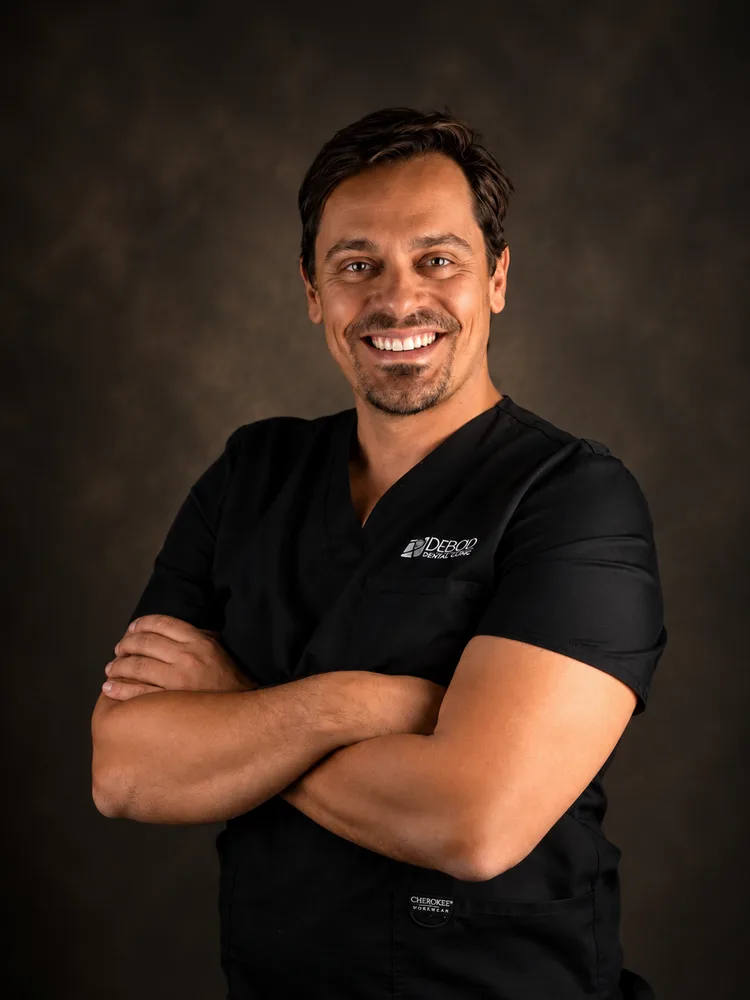
Author
Dr. César Rodríguez
Prosthodontics · Full Oral Rehabilitation
Dr. César Rodríguez is a distinguished prosthodontist with a Master's in Facial Prosthetics and Occlusion from the Complutense University of Madrid. Initially trained in Dentistry at the Central University of Venezuela, his credentials have…
Meet the team
Did this article raise questions?
Talk directly with our team of specialists. First consultation with no obligation.
Book a consultation