Dental Health
Patient Reviews: Debod Dental Clinic Argüelles
Patient reviews can be helpful. Learn what they can tell you, what they cannot, and which questions to ask before dental treatment in Madrid.
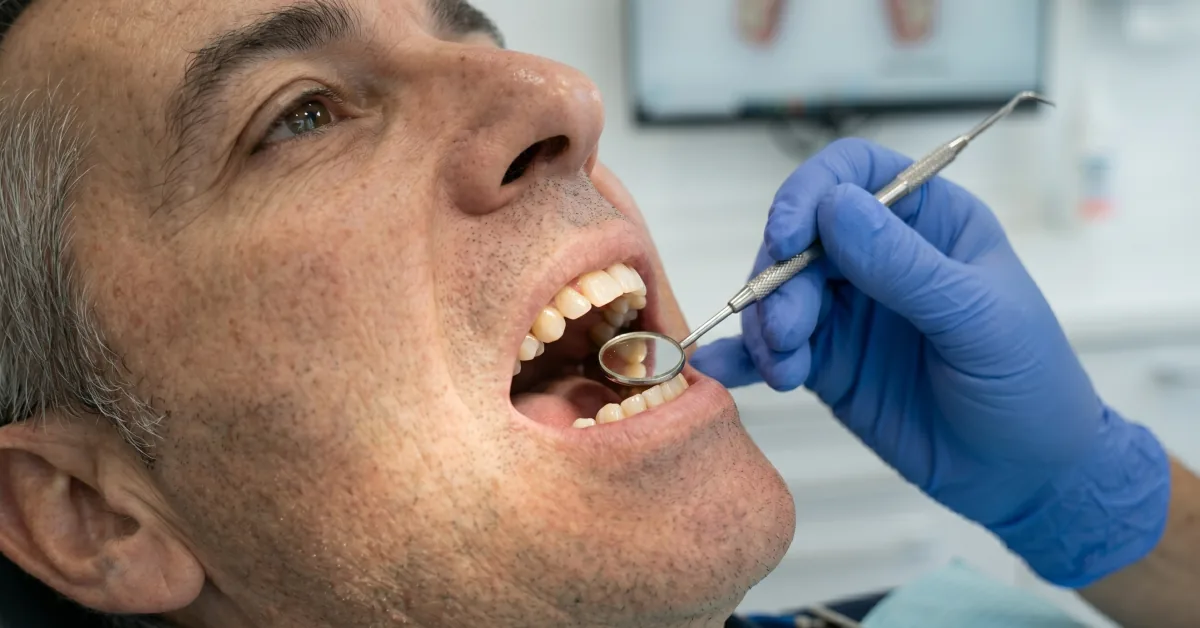
The Debod team’s perspective on patient reviews at Debod Dental Clinic Argüelles
When people search for patient reviews of Debod Dental Clinic in Argüelles, they are usually looking for more than a star rating. They want to know whether they will be listened to, whether a recommendation will make sense, and whether the final plan will be explained without pressure.
That is a sensible place to start. At Debod Dental Clinic, in C. de Ferraz, 24, Argüelles, Madrid, we believe a review should help a person prepare for a conversation, not make a clinical decision in their place. Dentistry is personal. Two people may both report tooth pain, for example, yet one may need a small filling while the other needs treatment inside the tooth, known as root canal treatment, or a different solution altogether.
A positive review may reflect kindness, punctuality, a calm environment or clear explanations. Those things matter. They are part of respectful care. Still, a review cannot show the full examination, the condition of the gums, the way someone bites, their medical history, or whether the tooth can realistically be saved. That part belongs in the diagnostic appointment.
A good dental decision is based on evidence from your own mouth, not on someone else’s treatment plan. This is why we encourage patients to ask questions and take the time they need before accepting a recommendation. The first diagnostic visit is included, so you can understand what has been found before deciding how to proceed.
Is it normal to feel uncertain after reading very different opinions online? Absolutely. The useful question is not simply “Which clinic has the most reviews?” It is: “Will this team explain why this option suits me, what the alternatives are, and what happens if I wait?” The answer often becomes clear in the consultation itself.
What most clinics do not tell you about patient reviews at Debod Dental Clinic Argüelles
A review is a snapshot. Dental care is a process.
Someone may write about how comfortable they felt during an urgent visit. Another person may be pleased with the appearance of a new crown. Both accounts can be genuine and helpful, but neither reveals whether the treatment is indicated for you. A crown is a protective covering made to restore a damaged tooth; it is not automatically the best answer for every broken or worn tooth. Sometimes a conservative restoration is possible. Sometimes the tooth needs more support. Sometimes the issue is not the tooth alone but the bite.
This is especially relevant when a treatment sounds straightforward online. What happens if a missing tooth is replaced with an implant without checking gum health, bone volume, grinding habits or smoking? The implant may be technically possible, yet long-term care still depends on those factors and on regular maintenance. An implant is not a maintenance-free replacement. If you are exploring dental implants, ask what the plan includes after the restoration is fitted, as well as what happens during treatment.
Online ratings also cannot measure whether the person reviewing a clinic had the same clinical challenge as you. A person seeking whitening, someone with bleeding gums and someone considering full-mouth rehabilitation need very different assessments. Whitening can improve the shade of natural teeth, but it does not treat decay, gum disease or the colour of existing fillings and crowns. Healthy gums come first.
The same applies to cosmetic work. Veneers should never be used to cover active decay, inflamed gums or an untreated bite problem. Healthy gums are generally firm and coral pink, although natural pigmentation varies. Attractive dentistry should look like the person’s own smile at its best: natural shapes, gentle texture and character. Not identical square teeth that look detached from the face.
Reviews are most useful when they encourage you to ask better questions. Before accepting an extensive plan in Madrid, ask for a written breakdown, the clinical reason for each stage, reasonable alternatives and the expected review schedule. If several extractions or multiple implants are proposed, an independent second opinion can be a sensible choice.
There is another detail patients may not see in a public comment: diagnosis takes time. Pain on biting, a pimple on the gum, swelling, or pain that lingers after hot or cold drinks can point towards inflammation or infection around a tooth. A dentist may need an examination, vitality tests and an X-ray before deciding whether the tooth can be restored, treated with root canal therapy or removed. Choosing a solution because it promises to be fastest is not always the kindest choice for the tooth.
Our clinical experience
Rather than presenting individual testimonials or claiming results that cannot be verified here, these are hypothetical educational examples, based on common situations dentists assess. They are not real patient cases and are not a prediction of anyone’s outcome.
A hypothetical 40-year-old patient attends after reading reviews about urgent dental appointments in Argüelles. They have sharp pain when biting on a back tooth. The patient assumes an extraction is inevitable because the tooth has already had a large filling. In a proper assessment, the clinician would check the tooth, gums, bite and relevant imaging. A crack, decay, an inflamed nerve or a high point in the bite can feel similar at first. The outcome depends on whether the tooth is restorable. The lesson is simple: pain has a cause, and the treatment follows the cause.
A second hypothetical patient, aged 32, is considering veneers after seeing smile photographs online. Their gums bleed while brushing and their front teeth overlap. The ethical sequence would be to address gum inflammation, investigate any decay and assess the bite before discussing cosmetic changes. In some situations, clear aligners may be considered to improve tooth position before cosmetic finishing. In others, small changes may be enough. How long does it take? That cannot be answered responsibly without an examination and a treatment plan.
A third hypothetical patient, aged 58, has a missing molar and is interested in an implant. The consultation would explore whether nearby teeth are healthy, how much bone is available, whether there is gum disease, and whether the person grinds their teeth at night. A bridge or removable option may also be discussed. If an implant is suitable, careful planning can be considered, including guided implant surgery where clinically appropriate. The aim is not to sell a single route; it is to select a route that can be maintained.
These examples close an open question that often sits behind online searches: “Do I need the same treatment as the reviewer?” Usually, no. You need a plan built around your diagnosis, priorities and health.
Frequently asked questions about patient reviews at Debod Dental Clinic Argüelles
Are patient reviews a reliable way to choose a dentist?
They are one useful source of information. Reviews can describe how people felt about communication, accessibility, the atmosphere and the practical side of attending. They cannot confirm the quality or suitability of a clinical recommendation for another person. Look for clarity, consistency and whether the clinic welcomes questions rather than relying on ratings alone.
What should I ask at my first dental appointment?
Ask what has been found, what may be causing it, and what the options are. You can also ask what happens if you delay treatment, how the treatment is maintained, whether images are needed, and whether there is a more conservative alternative. You should receive information in language you understand before giving consent.
Is it normal to need scans or X-rays before treatment?
Yes, when they are clinically indicated. An X-ray or 3D scan can reveal information that cannot be seen by looking alone, such as bone levels, roots, infection or the position of important structures. The type of image should match the question being investigated. It should not be treated as a routine extra without explanation.
What happens if I am advised to have an extraction or several implants?
Ask whether each tooth is restorable, what its prognosis is, and which alternatives exist. A second opinion is particularly reasonable before irreversible or extensive treatment. The Community of Madrid’s health register provides information about authorised health centres and patients’ rights to understandable information and clinical records: Community of Madrid health-centre register.
Does dental treatment hurt?
People often ask, “Does the treatment hurt?” Local anaesthetic is used to keep procedures comfortable. You may notice pressure, vibration or sounds, depending on the procedure. Afterwards, some tenderness can occur, and the dental team should explain expected recovery and when to contact the clinic. Severe swelling, fever, increasing pain or difficulty swallowing needs prompt professional advice.
Is it worth choosing treatment based on the cheapest quote?
Price matters, and a written estimate helps you compare plans fairly. Yet the cheapest quote may not describe the same diagnosis, materials, planning, reviews or maintenance. Ask what is included and what could alter the plan after examination. A transparent conversation is more valuable than a headline figure.
What technology do we use at Debod for patient reviews and treatment planning?
At Debod Dental Clinic, technology is used to make the conversation clearer, not to make promises. An intraoral scanner creates a detailed digital model of the teeth without traditional impression material in many situations. It can help patients see crowding, wear, broken teeth or the space created by a missing tooth.
Where the clinical question requires it, 3D imaging, often called a CBCT or dental CT scan, can show bone, roots and nearby anatomical structures in three dimensions. This may be useful when planning implant treatment, assessing complex infections or considering surgical procedures. It is not needed for every patient; the clinician should explain why it is being recommended.
Debod Dental Lab, our in-house digital laboratory, supports planning and communication for restorations such as crowns and other prosthetic work. A close laboratory-clinic workflow can help the team assess shape, fit and appearance in context. It does not replace careful preparation of the tooth, healthy gums or a stable bite.
If you are comparing patient reviews in Madrid, bring your questions to the first visit. Tell us what you have read, what worries you and what outcome you hope for. We will assess your situation and explain the available options in plain language. You can book an appointment with Debod Dental Clinic in Argüelles, near Ventura Rodríguez, Plaza de España and Argüelles stations.
The most reassuring review is not one that promises a perfect result. It is one that reflects a process of listening, diagnosing carefully, discussing alternatives and supporting patients through each stage of their care.
Frequently asked questions
Frequently asked questions about this topic.
They can help you understand patients’ experiences of communication, comfort and organisation, but they cannot replace a clinical assessment or prove that a treatment is right for your individual needs.
Ask for a clear diagnosis, the alternatives available, the expected maintenance, possible risks, a written treatment plan and a transparent estimate after the appropriate examination.
Often, yes. Images and scans may be needed to assess the tooth, bone, bite or surrounding tissues before deciding whether to restore, treat or replace a tooth.
Ask whether the teeth can be preserved, what the alternatives are, why the recommendation has been made and whether an independent second opinion would be useful before starting extensive treatment.
Modern local anaesthetic is designed to keep treatment comfortable. Sensitivity afterwards depends on the procedure and your situation, so your dentist should explain what to expect and how to manage it.
Reviewed by Dr. César Rodríguez
Prostodoncia · Rehabilitación Oral · COEM Reg. No. 28015194
Last reviewed: 21 September 2026
Informational content reviewed by a registered professional at Debod Dental Clinic. It does not replace a personalised clinical assessment. View specialist profile.
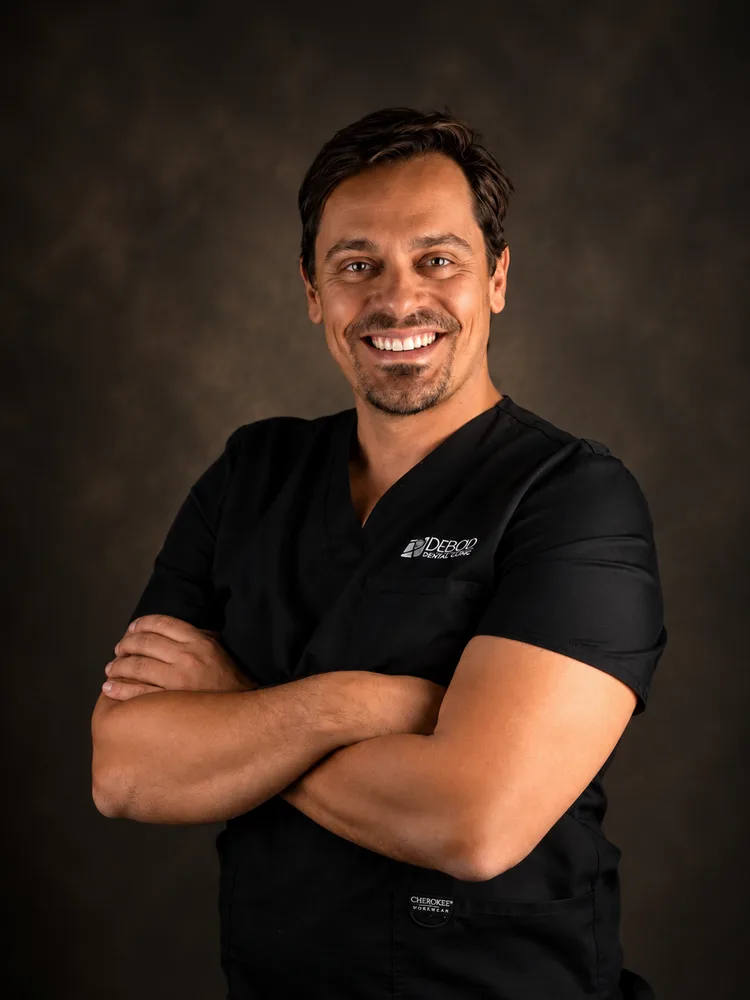
Author
Dr. César Rodríguez
Prosthodontics · Full Oral Rehabilitation
Dr. César Rodríguez is a distinguished prosthodontist with a Master's in Facial Prosthetics and Occlusion from the Complutense University of Madrid. Initially trained in Dentistry at the Central University of Venezuela, his credentials have…
Meet the team
Did this article raise questions?
Talk directly with our team of specialists. First consultation with no obligation.
Book a consultation