Dental Health
What Age Should My Child See an Orthodontist?
Most children should have an orthodontic assessment by age seven. It does not automatically mean braces; often, careful monitoring is the right plan.
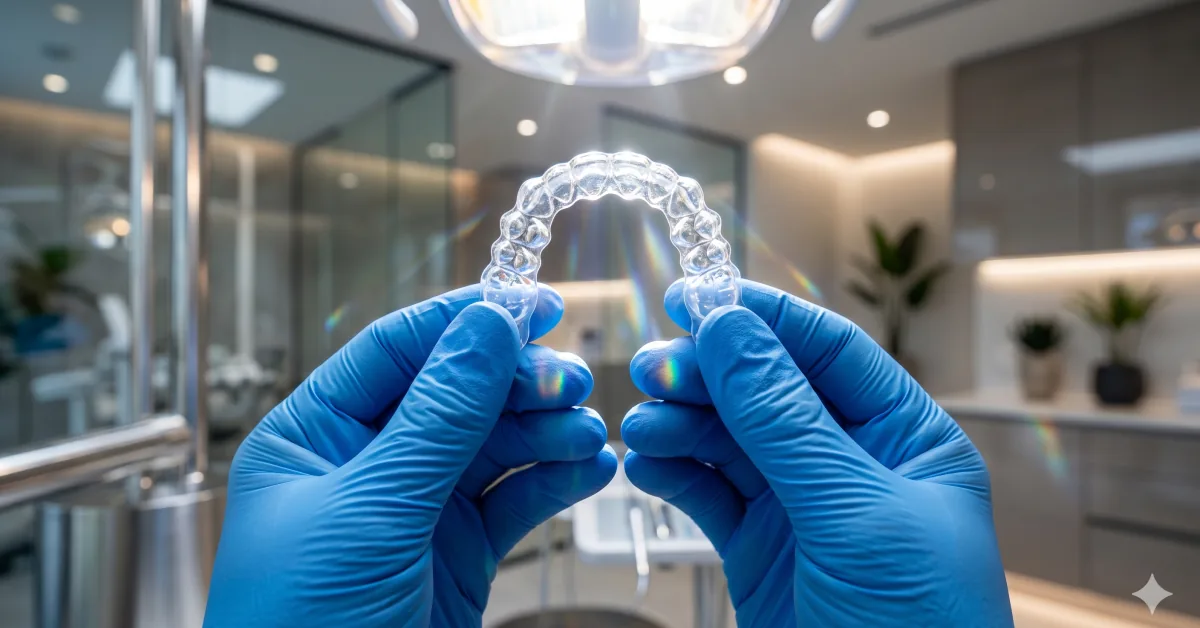
What age should my child see an orthodontist? — The direct answer
Most children should have their first orthodontic assessment by the age of seven, even when their teeth appear fairly straight. At Debod Dental Clinic in Argüelles, Madrid, this appointment is about checking how the teeth, jaws and bite are developing; it does not automatically mean braces.
By this age, children usually have a mixture of baby and adult teeth. That gives the orthodontist a useful window to assess whether permanent teeth have enough room, whether they are erupting in the expected direction and whether the upper and lower jaws are meeting comfortably. The American Association of Orthodontists also recommends an initial check by age seven. Read its guidance here.
For many children, the right answer is simply to keep watching. That can be reassuring. A careful review now may prevent rushed decisions later, but early treatment is only worthwhile when there is a specific problem it can address.
Why does this matter for your child’s dental health?
Teeth do not grow in isolation. They sit within the jaw, and the jaws are still growing throughout childhood. Think of it like checking whether there is enough room on a bookshelf before adding the next row of books. An orthodontic assessment looks ahead: not only at today’s teeth, but at the space and direction available for the adult teeth still to come.
A child may benefit from an earlier review if there is a crossbite, a very prominent front tooth, crowding, a tooth that seems blocked, unusually large gaps or a jaw that moves to one side when closing. Early loss of baby teeth, late loss of them, thumb sucking or prolonged dummy use can also affect development.
Is it normal that my child’s front teeth look uneven while new teeth are coming through? Often, yes. The first adult incisors can look large, spaced or slightly irregular compared with baby teeth. What matters is whether this is part of normal development or a sign that a tooth has no clear path to erupt. That distinction needs an individual examination.
Untreated concerns can sometimes make cleaning harder, affect chewing or allow a bite discrepancy to become more established as growth continues. Still, treatment is not a race. Starting too early without a defined goal may mean more treatment than a child actually needs.
When should you book an orthodontic assessment sooner?
Do not wait for age seven if you notice something that concerns you. A child should be assessed earlier where there is a visible change in the bite, a problem with eruption or a persistent habit affecting the mouth.
Look out for:
- A crossbite, underbite or a jaw that shifts sideways when closing.
- Front teeth that protrude markedly, teeth that are crowded or blocked, or a permanent tooth that seems absent.
- Biting the palate or cheek, difficulty chewing, or a bite that does not close comfortably.
- Persistent thumb sucking or dummy use, especially when it is changing the position of the teeth.
What happens if a baby tooth falls out very early? Sometimes the neighbouring teeth drift into that space, leaving less room for the adult tooth. In selected cases, an orthodontist may advise a space maintainer. In other cases, observation is perfectly appropriate. The details matter.
A knock to the front teeth is another reason to arrange a dental review. Children with very prominent upper incisors may be more exposed to trauma, although this alone does not mean every child needs two phases of orthodontic treatment. Research has found that early treatment should be targeted to a clear clinical need, rather than used routinely for all children with protruding teeth. One clinical trial is available here and another here.
What happens at a child’s first orthodontic visit?
The first visit is usually calm and straightforward. The orthodontist reviews medical and dental history, asks about habits such as thumb sucking, examines the face, teeth and bite, and checks how the jaws move. Children are not expected to sit through treatment on that day.
Photographs or an intraoral scan may be useful when a closer record is needed. An intraoral scan is a digital map of the teeth, rather like creating a precise 3D model without traditional impression material. X-rays are not automatic. They are prescribed only when they provide information that cannot be obtained from the examination alone, such as locating a tooth that has not erupted or checking for an extra or missing tooth.
At Debod Dental Clinic, digital planning can help make these discussions clear for families. If treatment is indicated, the aim is to explain the diagnosis, what treatment is designed to change, what may happen if you wait, and whether a later phase is likely.
Questions parents often ask
Does orthodontic treatment hurt for children?
The assessment itself should not hurt. If an appliance is needed, children may notice pressure or tenderness for a few days after it is fitted or adjusted. This is different from sharp pain. The exact experience depends on the appliance and the child, and the orthodontist can explain how to manage any initial discomfort.
How much does children’s orthodontic treatment cost?
There is no honest one-price answer. The cost depends on the diagnosis, whether treatment is needed now or later, the appliance selected and the complexity of the case. A first diagnostic visit at Debod Dental Clinic is included, and any proposed plan should set out the expected treatment and costs clearly after assessment.
Families in Madrid can also ask their local public dental service about routine children’s dental care. The Community of Madrid provides oral-health services for children and adolescents, although orthodontic treatment is generally excluded from the PADI scheme. Check the Community of Madrid information.
How long does orthodontic treatment take for a child?
It depends on the problem being treated. A targeted early intervention, such as correcting a specific crossbite or preserving space, may have a different timetable from later comprehensive treatment with braces or clear aligners. Some children need monitoring only. Others may need a first phase during growth and a second phase once more permanent teeth have erupted.
This is the open question many parents understandably have: will early treatment avoid braces later? Sometimes it can simplify a later phase, but it does not guarantee that a second phase will not be needed. The decision should be based on the benefit for your child now, not a promise about a future result.
Is it urgent if my child has a crossbite?
A crossbite should be checked promptly, especially if your child shifts their jaw sideways to make the teeth fit. It may be dental, skeletal or a combination of both. Early assessment helps determine whether treatment during growth could be useful or whether review is safer.
Does my child need braces if the teeth are crowded?
Not always. Mild crowding can be monitored while more adult teeth erupt. More significant crowding may need a plan to manage space, which could involve observation, preserving space after early tooth loss, selective treatment or later comprehensive orthodontics. An orthodontist needs to assess the bite, jaw growth and developing teeth before advising.
Is it normal that my child still has baby teeth?
It can be. Children lose baby teeth at different rates. A review is sensible if a baby tooth is lost much earlier or later than expected, an adult tooth is erupting in an unusual place, or one side is developing very differently from the other. The reason may be simple, but it is worth checking.
Can thumb sucking affect my child’s bite?
Persistent thumb sucking can influence tooth position and the way the bite closes, particularly after the early childhood years. Supportive habit guidance and, where indicated, a suitable appliance can be considered. The priority is understanding why the habit continues and choosing an approach your child can manage comfortably.
What should you know before your first visit?
You do not need to prepare perfectly. A few practical details make the consultation more useful:
- Bring information about previous dental injuries, tooth extractions and relevant medical history.
- Tell the orthodontist about thumb sucking, dummy use, mouth breathing or chewing difficulties.
- Bring any previous dental X-rays if you have them; new images are only taken if clinically justified.
- Encourage your child to ask questions. A good visit should feel understandable, not intimidating.
Keep attending routine dental check-ups while orthodontic questions are being assessed. Healthy teeth and gums come first. Orthodontics does not replace dental examinations and cleanings, fluoride toothpaste suited to the child’s age, sensible limits on frequent sugary snacks or a mouthguard for contact sports.
When is it urgent to see a dentist?
Contact a dentist promptly if your child has facial swelling, significant tooth pain, bleeding after an injury that does not settle, a knocked-out permanent tooth, difficulty breathing or swallowing, or a dental infection. These are dental concerns that need timely care rather than waiting for an orthodontic appointment.
For orthodontic concerns, arrange an earlier assessment if a crossbite is causing the jaw to shift, a permanent tooth appears trapped or missing, a front tooth is very prominent after trauma, or chewing is difficult. If in doubt, it is reasonable to ask. A short assessment can clarify whether the issue needs action now or simply sensible monitoring.
Why choose Debod Dental Clinic?
At Debod Dental Clinic, C. de Ferraz, 24, Argüelles, 28008 Madrid, children’s orthodontic assessments are approached with honest, individual planning. The aim is not to place an appliance because a child has reached a particular birthday. It is to understand growth, eruption, bite and space, then recommend only what is appropriate.
The clinic combines digital assessment with the support of its in-house Debod Dental Lab where relevant. This helps the team explain treatment planning clearly and consider options carefully. If your child is seven or older, or you have noticed one of the warning signs described here, you can book an appointment for an included first diagnostic visit.
Debod Dental Clinic is close to Ventura Rodríguez station on Line 3, with Plaza de España and Argüelles also nearby. The clinic is open Monday to Friday, 9:00–20:00. Call +34 914 47 62 25 or email info@deboddentalclinic.com to arrange your child’s assessment.
Frequently asked questions
Frequently asked questions about this topic.
A first orthodontic assessment is recommended by age seven, or sooner if you notice a bite, eruption or jaw-growth concern. This assessment does not mean your child will need braces straight away.
An orthodontic assessment should not hurt. If treatment is recommended later, children may feel temporary pressure after an appliance is fitted or adjusted, but this is usually manageable.
The cost depends on the diagnosis, the type of treatment, its complexity and whether one or two treatment phases are needed. A personalised plan and estimate can only be confirmed after an assessment.
Timing varies. Some early treatments are short and targeted, while comprehensive orthodontic treatment is usually planned once enough permanent teeth have erupted. Your orthodontist can explain the likely timetable after assessing growth and tooth development.
A crossbite should be assessed promptly, particularly if the jaw shifts when your child bites together. Early assessment helps identify whether observation or treatment is appropriate.
Reviewed by Dr. César Rodríguez
Prostodoncia · Rehabilitación Oral · COEM Reg. No. 28015194
Last reviewed: 27 November 2026
Informational content reviewed by a registered professional at Debod Dental Clinic. It does not replace a personalised clinical assessment. View specialist profile.
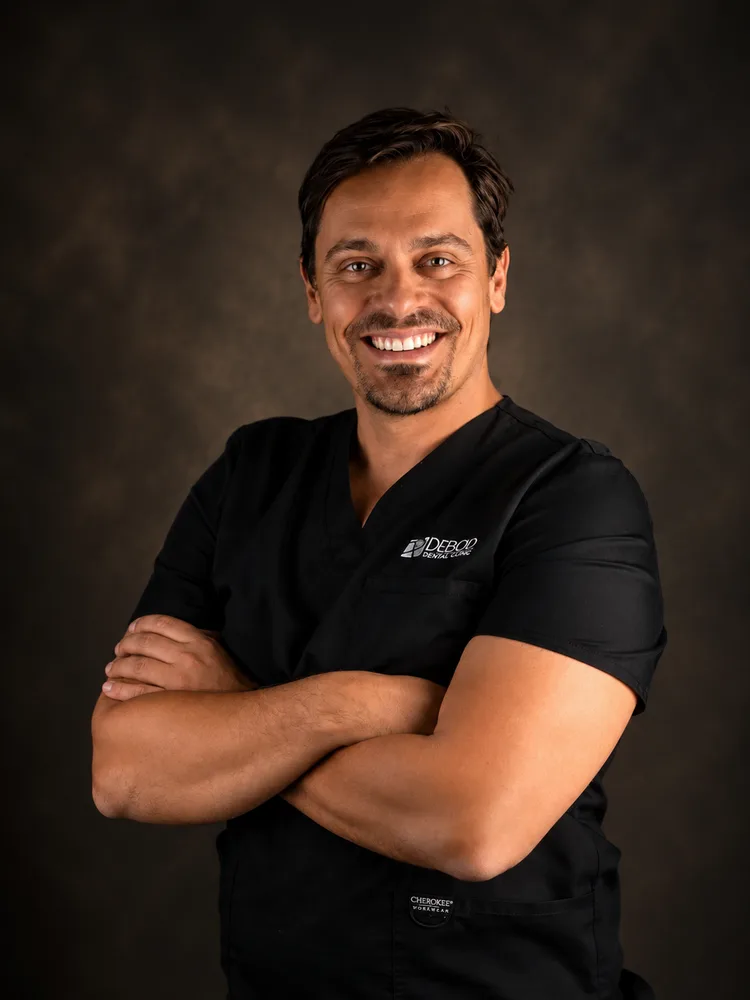
Author
Dr. César Rodríguez
Prosthodontics · Full Oral Rehabilitation
Dr. César Rodríguez is a distinguished prosthodontist with a Master's in Facial Prosthetics and Occlusion from the Complutense University of Madrid. Initially trained in Dentistry at the Central University of Venezuela, his credentials have…
Meet the team
Did this article raise questions?
Talk directly with our team of specialists. First consultation with no obligation.
Book a consultation