Cosmetic Dentistry
Can Dental Veneers Be Fitted Without Shaving Teeth?
No-prep veneers can preserve healthy enamel, but they are not right for every smile. Here is how suitability is assessed.
What are no-prep dental veneers? — The direct answer
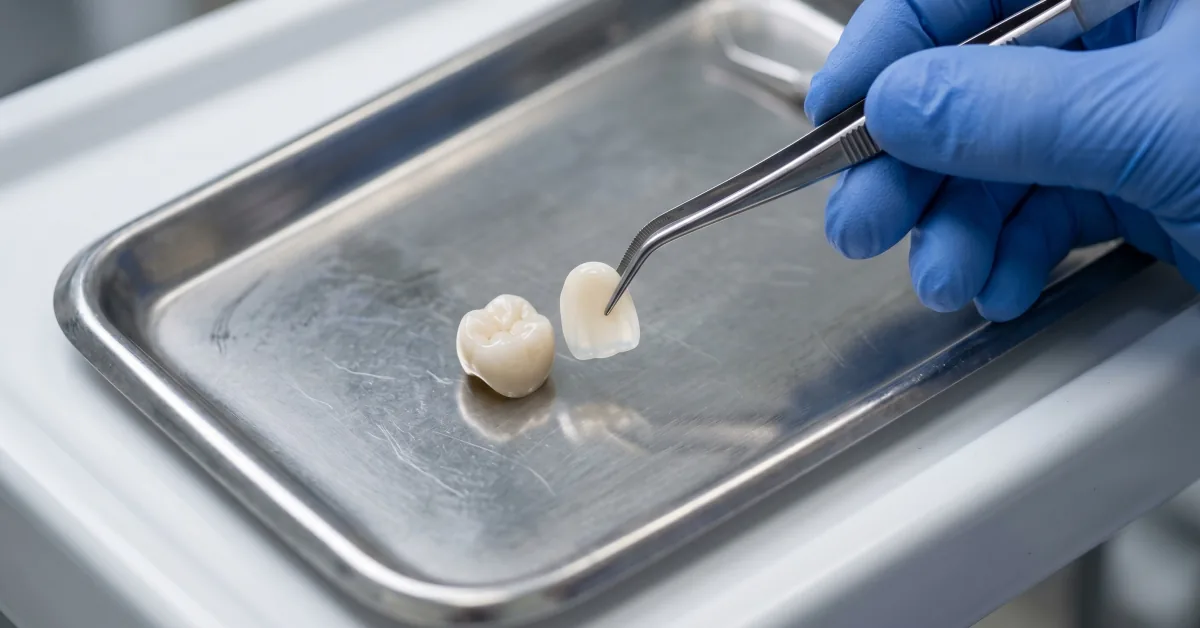
No-prep dental veneers are very thin shells, usually made from ceramic or composite, bonded to the front surface of a tooth without intentionally shaving down the visible enamel. They can be an excellent conservative option when a tooth needs a little more volume, but they are not suitable for every smile.
At Debod Dental Clinic in Argüelles, Madrid, suitability is assessed before any cosmetic treatment begins. The aim is not simply to make teeth look whiter or straighter in photographs; it is to create a result that works with your gums, bite and natural facial expression.
The phrase “no-prep” can be misleading. It does not mean that every tooth can receive a veneer without any adjustment. Sometimes a very small polish of a prominent edge is needed so the final tooth does not look thick. That distinction matters, and it is where good planning begins.
Why does this matter for your dental health?
Healthy enamel is the hard outer layer of your tooth. Think of it as the original protective coat: once a large amount has been removed, it does not grow back. Keeping as much sound enamel as possible can help provide a more predictable bonding surface for a veneer.
Published clinical research supports this cautious approach. A study following no-prep ceramic veneers for 36 to 60 months reported a 97.4% survival rate, while a broader clinical review of porcelain veneers estimated 95.5% cumulative survival at ten years. These figures describe selected patients treated in clinical settings; they are not a promise of the result for an individual person. Clinical evidence on no-prep ceramic veneers and the wider porcelain veneer review provide useful context.
A veneer that is technically thin can still be the wrong choice if it adds bulk in the wrong place. Teeth may then look too prominent, gums may be harder to clean, or the bite can be affected. The most conservative treatment is not always insisting on no-prep. Sometimes it is whitening first, orthodontic alignment, direct composite bonding, or a minimal planned preparation that remains in enamel.
There is another question worth asking before looking at shade charts: what is the condition of the gums? Veneers should not be placed over inflamed gums, active decay or untreated bite problems. Healthy gums are generally firm and coral pink, not swollen or bleeding. Cosmetic work placed over disease is like painting a wall while there is still damp behind it.
When can veneers be fitted without shaving teeth?
No-prep veneers may be considered when the tooth needs material added rather than reduced. Common examples include a small gap between front teeth, naturally small or peg-shaped incisors, mild shape irregularities, limited wear, or modest colour improvement.
They are less likely to be appropriate when teeth already project forwards, are significantly crowded or rotated, or have a very dark underlying colour. Adding a veneer in these situations can create an artificial, bulky appearance. Teeth should not become square or look like identical advertising props. Natural texture, proportion and character are part of a convincing smile.
A stable bite matters too. If someone clenches or grinds their teeth, the thin edge of a veneer may be exposed to high forces. This does not automatically rule treatment out, but the cause needs assessment and a night guard may be advised. The unanswered question is often not “Can I have veneers?” but “What has to be stable first so that veneers have a fair chance?”
How is a no-prep veneer planned?
A responsible veneer plan begins with an examination of teeth, gums and bite. At Debod Dental Clinic, digital photographs and an intraoral scan can help show the planned changes before anything is bonded. A diagnostic mock-up is a temporary preview of the proposed shape, allowing appearance and function to be checked.
The material is chosen for the specific case. Ultra-thin feldspathic ceramic and lithium disilicate can offer excellent aesthetics. Composite can be easier to repair, although longer-term research has found more surface roughness, loss of shine and marginal staining than may occur with ceramic. A seven-year study of indirect no-prep composite veneers reported 91.3% survival, with debonding and fracture among the recorded complications. Read the composite veneer study.
If the mock-up looks too thick, that is useful information, not a failure. It gives the patient and clinician time to reconsider the plan before permanent treatment. In some cases, clear aligners can first bring teeth into a position where a more conservative cosmetic finish becomes possible.
Questions people often ask
Is it normal for no-prep veneers to need a small adjustment?
Yes. “No-prep” usually means no intentional reduction of the front surface of the tooth, not an absolute guarantee that nothing will be touched. A tiny adjustment to a raised area or edge may be needed to avoid excess thickness. You should be told clearly, in writing, whether any enamel will be modified and where.
Do no-prep veneers hurt?
The procedure is often comfortable because little or no drilling is involved. If a minor adjustment is planned, your dentist can discuss whether local anaesthetic would make you more comfortable. Sensitivity is generally less of a concern when enamel is preserved, but every mouth is different.
How much do no-prep veneers cost in Madrid?
The cost depends on the number of teeth, material, complexity of the bite, planning and any treatment needed beforehand. There is no honest fixed figure that applies to every smile. A personalised estimate should be confirmed after an assessment, scan and discussion of alternatives.
How long do no-prep veneers last?
They can last many years when the case selection, bonding, bite and aftercare are appropriate. They are not reversible decorations, though. A veneer remains a restoration that may need polishing, repair or replacement over time. Avoid biting hard objects with front teeth, maintain interdental cleaning and attend reviews.
Are no-prep veneers urgent?
No. Veneers are usually elective cosmetic treatment. If you have toothache, swelling, active decay, bleeding gums or a broken tooth, those concerns should be assessed first. A beautiful result starts with a healthy foundation.
What happens if I have dark teeth or crowded teeth?
A veneer may not mask a very dark tooth without looking opaque or bulky. Whitening, orthodontics or another restorative option may be better. When crowding is the issue, moving teeth first can avoid adding unnecessary thickness. In selected cases, porcelain veneers with minimal preparation may be discussed after a full assessment.
What should you know before your first visit?
- Ask what the diagnosis is, not only what treatment is proposed.
- Request an explanation of alternatives without veneers, including whitening or orthodontics.
- Ask exactly how much enamel, if any, would be adjusted.
- Discuss the material, mock-up, aftercare, repair options and likely replacement needs.
Bring any previous dental records if you have them, and mention tooth grinding, jaw discomfort or past orthodontic treatment. A good consultation should leave you clearer, not pressured. You can also verify that a dentist is registered through the COEM professional directory.
When is it urgent to see a dentist?
Veneers themselves are not urgent, but some symptoms should not wait. Contact a dentist promptly if you have facial swelling, severe or persistent tooth pain, fever with dental symptoms, trauma to a tooth, uncontrolled bleeding, a loose restoration, or an ulcer that does not heal.
Bleeding or swollen gums also deserve an appointment before any cosmetic decision. A dental examination and cleaning may be the appropriate first step if gum health or plaque build-up is affecting the smile.
Why choose Debod Dental Clinic?
Debod Dental Clinic is located at C. de Ferraz, 24, Argüelles, 28008 Madrid, close to Ventura Rodríguez metro station. The clinic’s approach is based on clear diagnosis, conservative planning and treatments that respect natural tooth structure where possible.
Digital intraoral scanning and diagnostic planning help patients understand the proposed changes before veneers are made. Work can be coordinated with the in-house Debod Dental Lab, supporting close communication between clinical planning and the final restoration. The first diagnostic visit is included, so the suitability of no-prep veneers can be assessed before any decision is made.
To discuss your smile, gum health and bite in person, you can book an appointment. The right answer may be no-prep veneers, a different treatment, or simply no treatment yet. That is still a useful answer.
Frequently asked questions
Frequently asked questions about this topic.
Yes, in carefully selected cases. No-prep veneers are ultra-thin ceramic or composite shells bonded to the front of teeth with no intentional reduction of the visible tooth surface. A tiny adjustment may still be needed in prominent areas or along an edge.
They are usually comfortable because little or no tooth reduction is involved. If any minor adjustment is needed, your dentist will explain whether local anaesthetic is appropriate.
The cost depends on the number of teeth, the material, the bite, the design and whether other treatment is needed first. A personalised estimate should follow a clinical assessment and digital planning.
Longevity varies with the material, bite, oral hygiene and maintenance. Published studies report encouraging results in selected patients, but veneers are restorations that need reviews, maintenance and eventual replacement rather than permanent, reversible changes.
No. Veneers are usually elective cosmetic treatment. It is better to treat active decay, gum inflammation, unstable bite problems or uncontrolled tooth grinding before considering them.
If adding material would make the teeth look over-contoured, no-prep veneers may not be the best option. Whitening, orthodontics, direct composite bonding or carefully planned minimal preparation may produce a more natural result.
Reviewed by Dr. César Rodríguez
Prostodoncia · Rehabilitación Oral · COEM Reg. No. 28015194
Last reviewed: 23 November 2026
Informational content reviewed by a registered professional at Debod Dental Clinic. It does not replace a personalised clinical assessment. View specialist profile.
Author
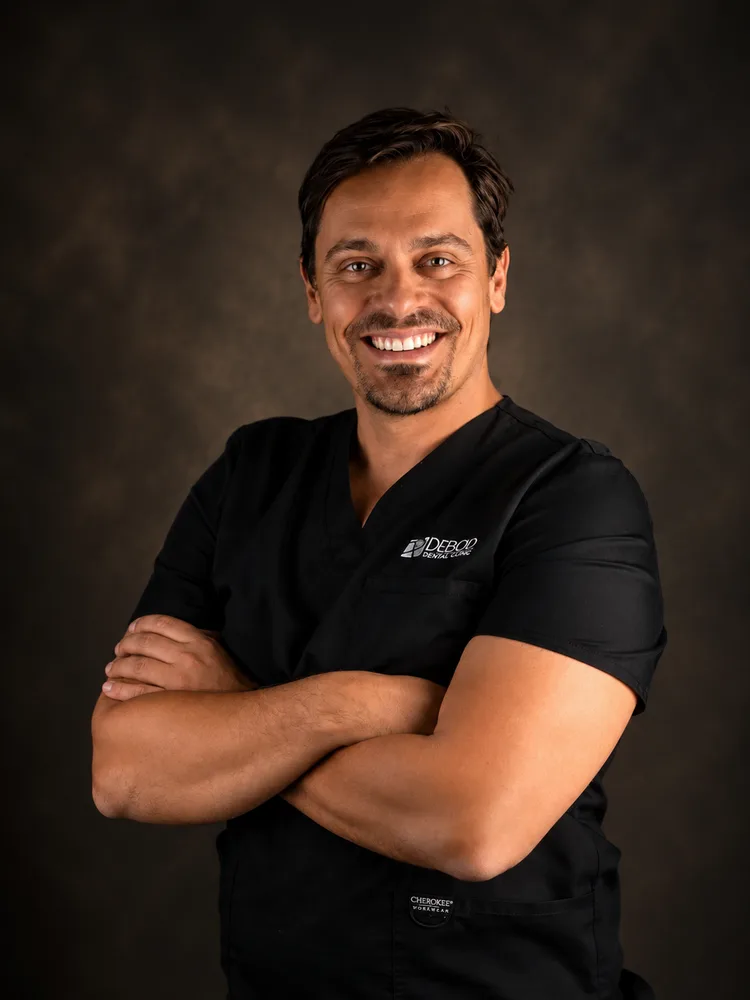
Dr. César Rodríguez
Prosthodontics · Full Oral Rehabilitation
Dr. César Rodríguez is a distinguished prosthodontist with a Master's in Facial Prosthetics and Occlusion from the Complutense University of Madrid. Initially trained in Dentistry at the Central University of Venezuela, his credentials have…
Meet the team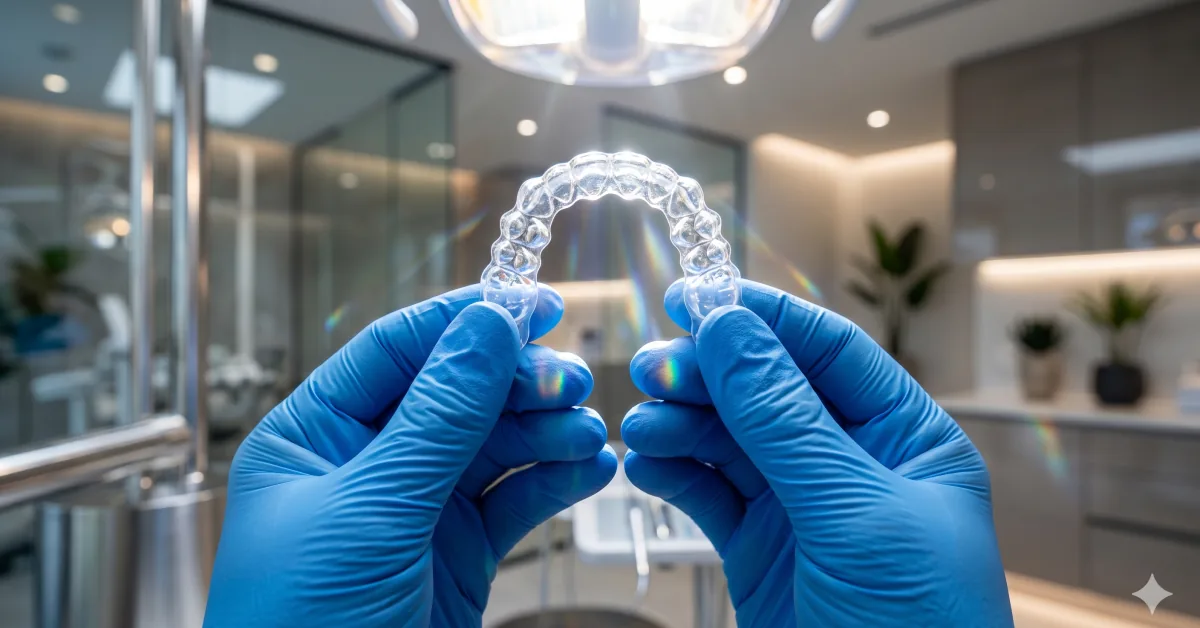
Did this article raise questions?
Talk directly with our team of specialists. First consultation with no obligation.
Book a consultation